

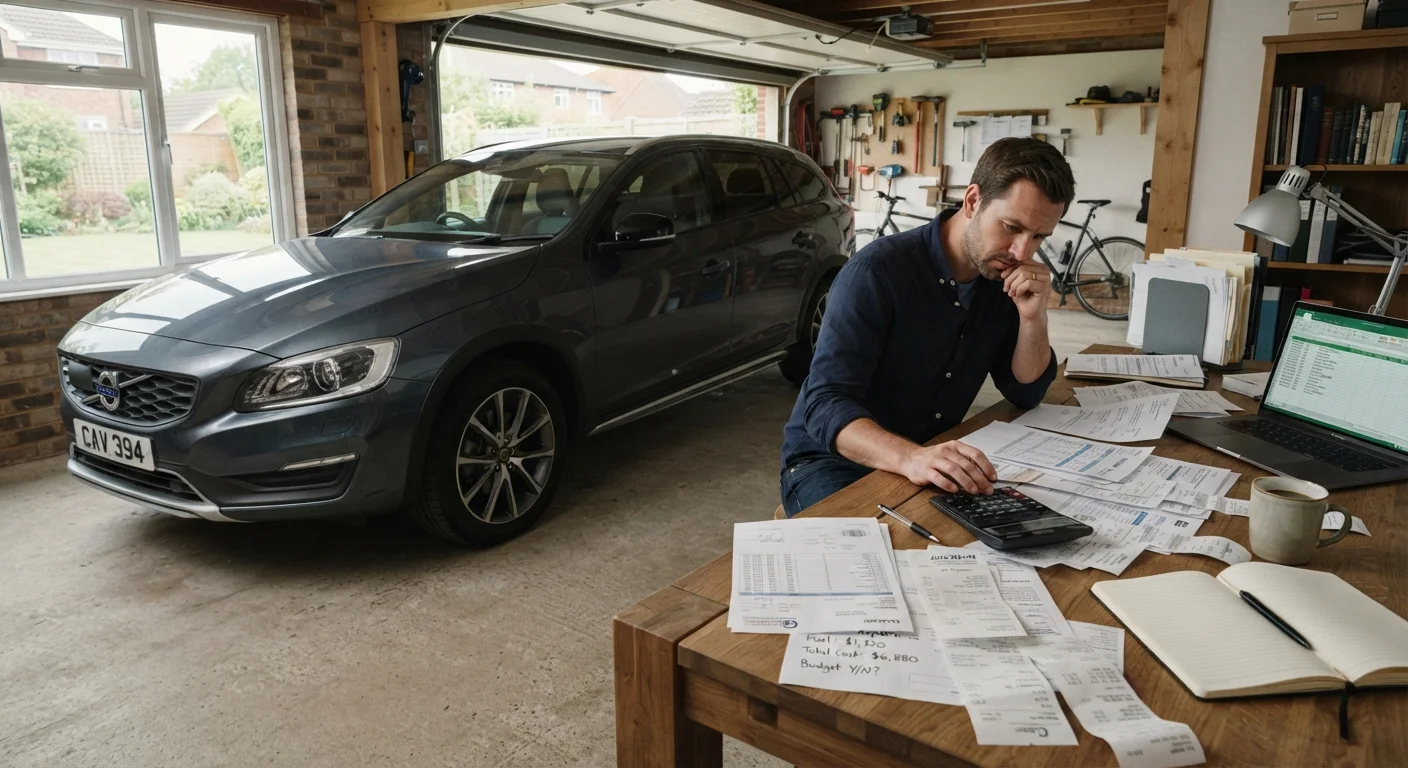
Key Takeaways
- Depreciation is typically the single largest cost of owning a new vehicle.
- Insurance, fuel, and maintenance together can rival or exceed monthly loan payments.
- A vehicle's sticker price tells you almost nothing about its five-year ownership cost.
- Driving habits, location, and vehicle type significantly affect total annual expenses.
- Comparing true ownership costs before purchase leads to more financially sound decisions.
True Cost of Car Ownership
The true cost of car ownership is the total amount a driver spends on a vehicle over time, including expenses beyond the purchase price. This encompasses insurance premiums, fuel, routine maintenance, repairs, registration fees, financing interest, and the vehicle's loss in value over time. Understanding these costs together gives a far more accurate picture of what a vehicle actually demands from your budget.
Industry analysts and consumer research organizations often calculate total ownership cost on a per-mile or per-year basis, factoring in depreciation curves that are steepest in the first three years of a new vehicle's life.
Why the Sticker Price Is a Starting Point, Not the Answer
Most car-buying conversations focus on the monthly payment or the negotiated sale price. Both matter - but neither tells you what the vehicle will actually cost you to own. A car is not a one-time transaction. It's an ongoing financial commitment that extends from the day you drive off the lot until the day you sell or scrap it.
Understanding the full ownership picture before signing anything is one of the most valuable steps a buyer can take. Vehicles that look affordable at purchase can turn out to be expensive to insure, fuel, or maintain - while others that seem pricier up front prove economical over time. The sticker price simply cannot reveal this on its own.
For drivers weighing whether to keep their current vehicle or move on, the long-term vs. replacing comparison offers a complementary look at how ownership timelines affect overall cost.
~$11,000
Estimated average annual new-vehicle ownership cost
AAA's annual 'Your Driving Costs' study has consistently found total annual costs for new vehicles in this range when all major expense categories are combined.
15-25%
Typical new-car value lost in year one
Automotive valuation research indicates new vehicles experience their steepest depreciation in the first twelve months of ownership.
~$0.16
Average fuel cost per mile for passenger vehicles
Per-mile fuel cost varies based on local gas prices and vehicle efficiency; this figure reflects a commonly cited national average for gas-powered passenger cars.
The Major Cost Categories Every Owner Should Know
Car ownership costs fall into several distinct categories. Knowing what each includes helps you build an honest budget and avoid surprises.
Depreciation
Depreciation is the loss in a vehicle's market value over time. It is typically the largest single ownership cost for new-vehicle buyers, yet it never shows up as a bill. A new car can shed 15-25% of its value in year one alone. Over five years, many vehicles retain only 40-60% of their original price. This cost becomes tangible when you sell or trade in.
Financing and Interest
If you borrow to buy, you pay interest on the loan principal. Over a standard five-year term, that interest can add thousands to the total cost - more at higher rates or on longer loan terms. It's worth distinguishing between the purchase price and the total amount repaid to a lender. The article common car-buying myths addresses some misconceptions about low-rate financing worth reading before you commit.
Insurance
Premiums vary dramatically based on the vehicle type, your driving history, location, and coverage level. A vehicle that's cheaper to buy may carry higher premiums due to repair costs, theft rates, or safety ratings. Always get insurance quotes for a specific vehicle before purchase - not after.
Fuel
Annual fuel cost depends on miles driven, fuel prices in your region, and the vehicle's efficiency. A difference of 10 miles per gallon between two vehicles can translate to hundreds of dollars per year for average drivers.
Maintenance and Repairs
Scheduled maintenance - oil changes, tire rotations, brake service, filters - is predictable and budgetable. The car maintenance hub covers what regular upkeep involves and how to stay ahead of it. Unexpected repairs are harder to plan for, but older vehicles and certain makes carry statistically higher repair frequency.
Registration, Taxes, and Fees
Annual registration, state and local taxes, and sometimes emissions testing add recurring costs that vary significantly by state. These are easy to overlook because they're paid annually rather than monthly.
Build a Full-Cost Estimate Before You Buy
Before finalizing any vehicle purchase, gather quotes for insurance on that specific make, model, and trim. Estimate annual fuel costs based on your typical mileage and the vehicle's rated efficiency. Add a realistic maintenance budget - manufacturer-recommended service intervals and average parts costs are often available in owner forums and published service guides. This homework takes an hour and can save you years of budget strain.
Putting It Together: Building Your Ownership Budget
A practical ownership budget adds up all of the above on an annual basis. For a new midsize sedan driven roughly 15,000 miles per year, total annual costs - combining depreciation, financing, insurance, fuel, and maintenance - can routinely exceed $10,000. For used vehicles in the same class, that number is often meaningfully lower, though the composition of costs shifts.
Per-mile cost is another useful lens. Dividing your estimated annual total by miles driven allows apples-to-apples comparisons between vehicles with different fuel efficiencies or insurance profiles. It also reveals whether lower-mileage drivers are subsidizing large fixed costs - depreciation and insurance don't shrink just because you drive less.
This kind of analysis parallels what long-term thinkers do in other financial domains. The principle of hidden, compounding costs is explored in a broader financial context in the article on what investment fees actually cost you over time - the same logic of visible price versus true total expense applies across both.
This article is for general informational purposes only. Ownership costs vary widely by individual circumstances, location, and vehicle. Consult qualified financial or automotive professionals when making significant purchasing decisions.