

Key Takeaways
- More than 70% of dietary sodium comes from processed, packaged, and restaurant foods.
- The salt shaker at the dinner table contributes a relatively small share of total sodium intake.
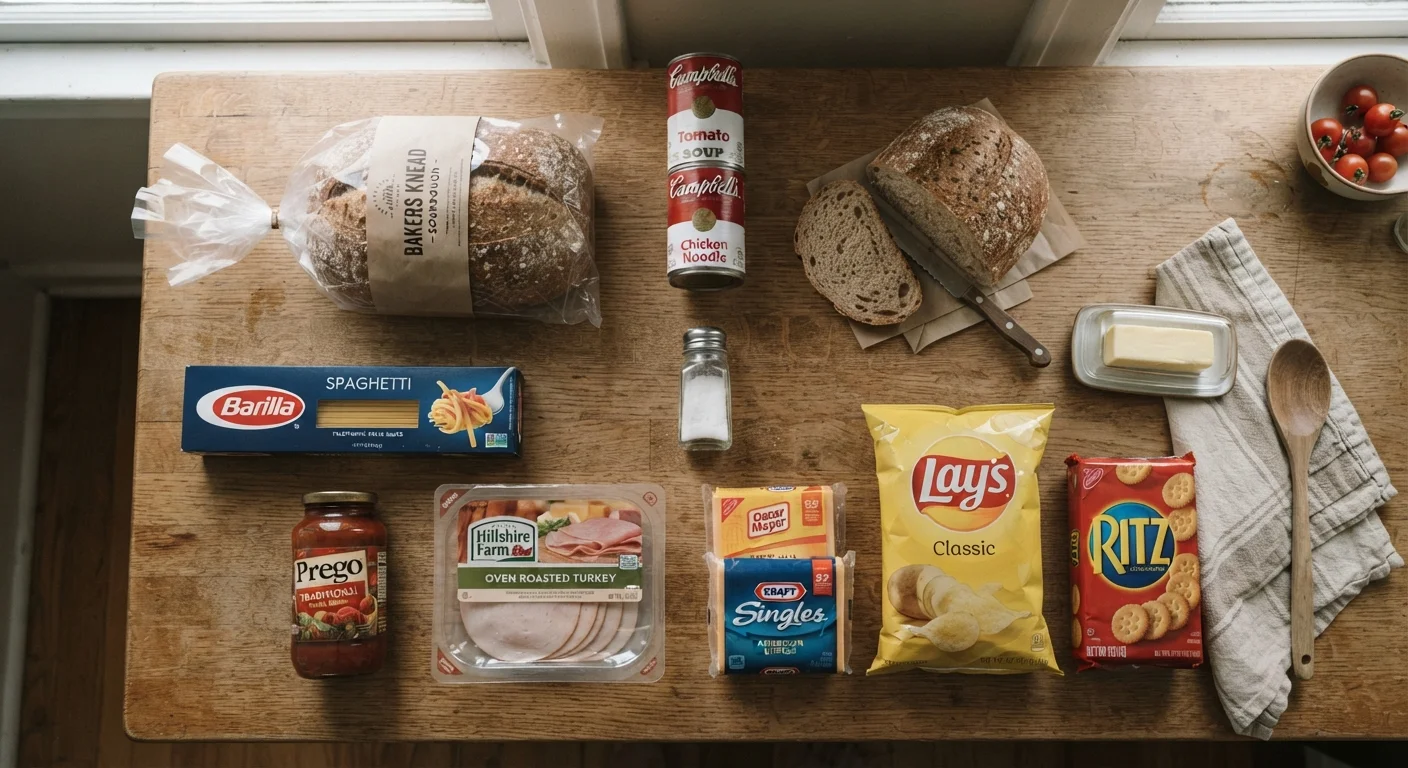
- Bread, cured meats, canned soups, and cheese are among the leading sodium sources.
- Reading nutrition labels is one of the most practical ways to identify high-sodium foods.
- Small, consistent swaps - like choosing lower-sodium versions of staples - can meaningfully reduce overall intake.
Dietary Sodium
Sodium is a mineral that the body needs in small amounts to regulate fluid balance, support nerve function, and keep muscles working properly. In food, it appears most often as sodium chloride - common table salt - but it's also found in many additives used in food processing. Most Americans consume significantly more sodium than health guidelines recommend, primarily through packaged and restaurant foods.
The Dietary Guidelines for Americans recommend adults consume less than 2,300 milligrams of sodium per day. The average American adult consumes roughly 3,400 mg per day, according to the CDC.
The Salt Shaker Isn't the Main Problem
Most people, when told to cut back on sodium, reach for the salt shaker and put it away. It's an understandable instinct - but it misses the bigger picture. Only about 11% of dietary sodium comes from salt added at the table or during home cooking, according to research published by the CDC. The overwhelming majority - more than 70% - enters the diet through processed, packaged, and restaurant foods before the meal ever reaches your plate.
This distinction matters because it changes where your attention should go. Skipping the pinch of salt on your eggs saves relatively little sodium. Understanding which everyday foods are quietly high in sodium gives you far more leverage over your intake.
>70%
Dietary sodium from processed and restaurant foods
According to the CDC, more than 70% of Americans' sodium intake comes from packaged and prepared foods, not home cooking or table salt.
3,400 mg
Average daily sodium intake for US adults
The CDC estimates the average American adult consumes around 3,400 mg of sodium per day - nearly 50% above the recommended limit of 2,300 mg.
~11%
Sodium added at the table or during home cooking
CDC research indicates that discretionary salt - the kind added while cooking or at the table - makes up only about 11% of total sodium intake.
The Biggest Sodium Contributors in the American Diet
Sodium doesn't show up only in obviously salty foods like chips or pretzels. Some of the largest contributors are foods people eat daily without thinking twice:
- Breads and rolls: A single slice of sandwich bread can contain 100-200 mg of sodium. Because Americans eat bread at multiple meals, it consistently ranks among the top sources nationally.
- Cured and deli meats: Ham, salami, turkey breast, and bacon are preserved with salt. A few slices of deli meat can deliver 400-600 mg of sodium or more.
- Pizza: Between the crust, sauce, cheese, and toppings, a couple of slices can account for over 1,000 mg of sodium in one sitting.
- Soups and broths: Canned soups are a well-known offender. A single can often contains 800-1,800 mg of sodium, sometimes across two servings.
- Cheese: Sodium is used in the cheesemaking process. Even modest portions of common cheeses like cheddar or American add up over the course of a day.
- Mixed dishes and fast food: Burritos, burgers, sandwiches, and combination meals are high because they stack multiple sodium-rich ingredients together.
Why Processed Foods Are So High in Sodium
Sodium plays multiple roles in food manufacturing beyond flavor. It acts as a preservative, extending shelf life by inhibiting bacterial growth. It improves texture in products like bread and processed meats. It enhances the perception of other flavors, making food taste more appealing with less of other costly ingredients. These functional properties mean sodium appears in foods where you might not expect it - breakfast cereals, cottage cheese, canned vegetables, and condiments all contain meaningful amounts.
Restaurant meals present a similar challenge. Kitchens tend to season generously, and portion sizes are large. A single restaurant entrée can contain a full day's recommended sodium in one meal.
Use Labels to Spot Hidden Sodium
When comparing packaged foods, look for options labeled 'low sodium' (140 mg or less per serving) or 'reduced sodium' (at least 25% less than the original). Even small reductions across your most-eaten staples - bread, soup, condiments - can meaningfully lower your daily total over time.
Practical Ways to Lower Your Sodium Intake
Reducing sodium doesn't require an overhaul of your entire diet. A few consistent habits make a real difference:
- Read Nutrition Facts labels. Compare sodium per serving across similar products. Lower-sodium versions of soups, canned beans, broths, and condiments are widely available and taste nearly identical.
- Choose fresh or frozen over canned. Frozen vegetables with no added sauce, and fresh proteins, are naturally lower in sodium than their preserved counterparts. If you use canned beans or vegetables, rinsing them under water can reduce sodium content by around 40%, according to some estimates.
- Cook more at home. Home cooking puts you in control. Flavor food with herbs, citrus, garlic, and spices rather than relying on salt-heavy seasoning blends or sauces.
- Watch portion sizes at restaurants. Sharing an entrée, choosing broth-based dishes over heavily sauced ones, and asking for dressings and sauces on the side all help.
Just as sodium is worth tracking, so is fiber - another nutrient many Americans fall short on. See our guide to dietary fiber for a closer look at why it matters and which foods deliver it best.
This article is for general informational purposes only and is not a substitute for personalized medical or dietary advice. Consult a qualified healthcare provider before making significant changes to your diet, especially if you have a health condition such as high blood pressure or kidney disease.