

Key Takeaways
- Most litter box problems are preventable with the right setup, size, and cleaning routine.
- Cats typically need one litter box per cat, plus one extra, placed in separate locations.
- Scented litters and covered boxes may feel convenient to owners but often deter cats.
- Sudden litter box avoidance can signal a medical issue and warrants a veterinary visit.
Why Litter Box Problems Are So Common
Litter box avoidance is one of the leading behavioral reasons cats are relinquished to shelters in the United States. What makes this especially frustrating is that most cases stem not from a stubborn or difficult cat, but from a setup that simply doesn't meet the cat's needs - needs that are instinctual, consistent, and well understood by feline behaviorists and veterinarians.
Cats are clean animals with strong preferences about where and how they eliminate. When those preferences aren't met, they will often find an alternative - a laundry basket, a corner of the carpet, or a potted plant. Understanding what drives those preferences is the first step to preventing problems before they start. If you're bringing home a new cat, our guide to your new cat's first week at home covers setup essentials that complement the advice here.
Avoidance Can Signal a Health Problem
If a cat that previously used the litter box consistently stops doing so, a medical cause - such as a urinary tract infection, kidney disease, or arthritis - should be ruled out first. Do not assume the problem is purely behavioral. Contact your veterinarian promptly, especially if you notice straining, blood in the urine, or frequent trips to the box with little output.
The Most Common Mistakes - and How to Fix Them
The errors below represent the most frequent and correctable litter box problems reported by cat owners and observed by veterinary professionals. Each one has a straightforward solution.
Not having enough litter boxes for the number of cats in the home.
Why it happens: Owners assume one box is sufficient, especially if the cat seems to be using it. The problem often only becomes visible once a second cat joins the household.
Placing the litter box in a loud, high-traffic, or hard-to-reach area.
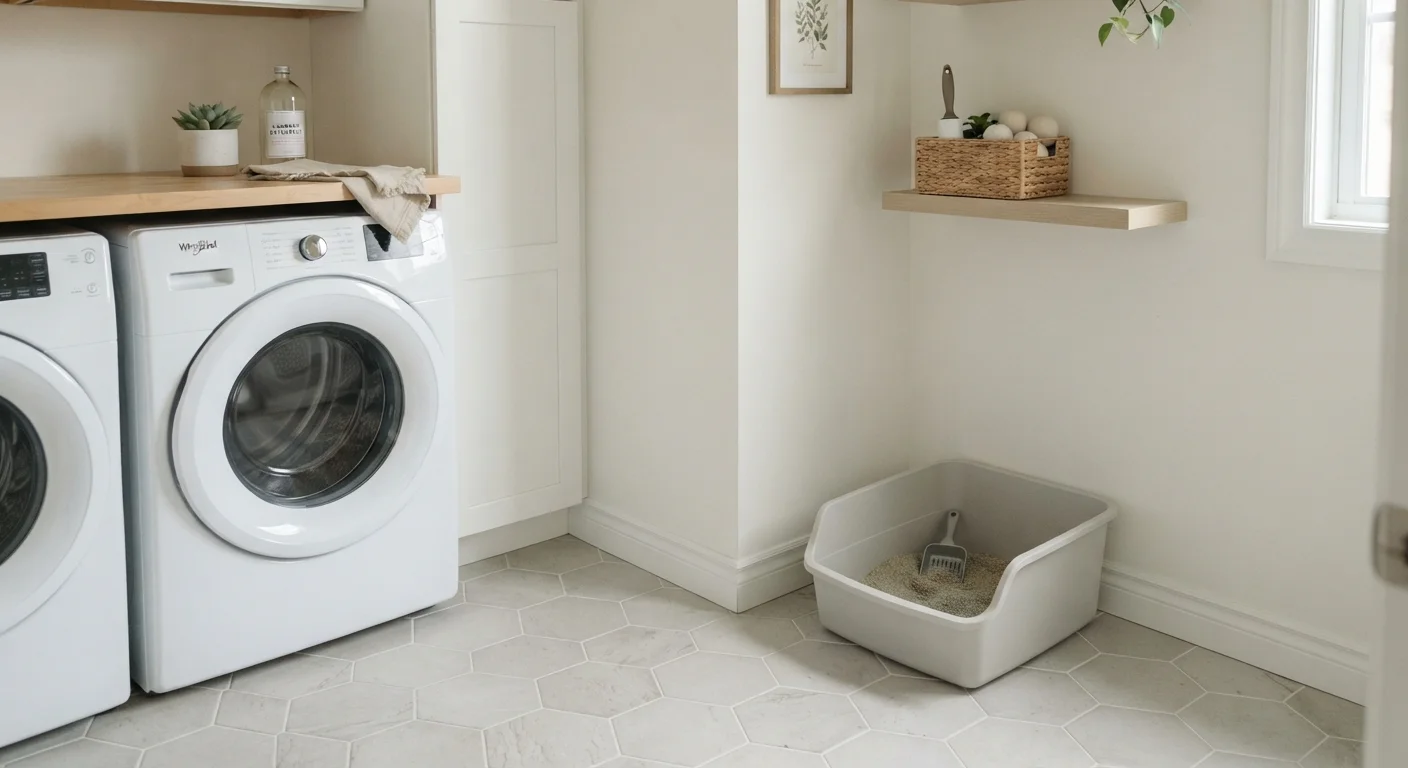
Why it happens: Owners prioritize hiding the box out of sight - near the washing machine, in a closet, or in the basement - without considering how the cat experiences that space.
Using strongly scented litter or placing air fresheners near the box.
Why it happens: Owners naturally want to neutralize odor and assume a fresh scent signals cleanliness. Cats, however, have a far more acute sense of smell than humans.
Not scooping the box frequently enough.
Why it happens: It's easy to underestimate how quickly waste accumulates or to assume the cat isn't bothered. Many owners scoop every few days rather than daily.
Using a covered or hooded litter box without considering whether the cat accepts it.
Why it happens: Covered boxes appeal to owners because they contain odor and litter scatter. Many people assume cats prefer privacy the same way humans do.
Using a box that is too small for the cat's body size.
Why it happens: Standard commercial litter boxes are often undersized, especially for large or long-bodied cats. Owners purchase whatever is readily available.
For broader context on misconceptions that affect cat care decisions, see our piece on cat myths vets hear every day.
Setting Up for Long-Term Success
Most litter box problems can be prevented - or reversed - by applying a few consistent principles: adequate quantity, accessible placement, appropriate size, unscented litter, and a reliable cleaning routine. These aren't complicated standards, but they do require some intentional thought, especially when the household changes.
Multi-cat homes add a layer of complexity. If you're introducing a second cat, be aware that litter box dynamics shift - resource guarding is real, and placement matters more than ever. Our guide to introducing a second cat addresses this in detail. Similarly, a thorough look at your home environment - where boxes are located, what surrounds them - is part of the broader safe home setup process every cat owner should consider.
When in doubt, think like a cat: clean, private enough but not trapped, easy to enter and exit, and never associated with anything alarming. Get those fundamentals right, and litter box problems become far less likely.