

Key Takeaways
- A puppy's primary socialization window runs from roughly 3 to 14 weeks of age.
- Positive exposures during this period shape long-term behavior and temperament.
- Socialization doesn't require waiting until all vaccines are complete - managed risk matters.
- Missing this window can contribute to fear, reactivity, and anxiety in adult dogs.
- Quality of exposure - calm, positive, controlled - matters more than quantity.
What you will need
Why the Socialization Window Matters So Much
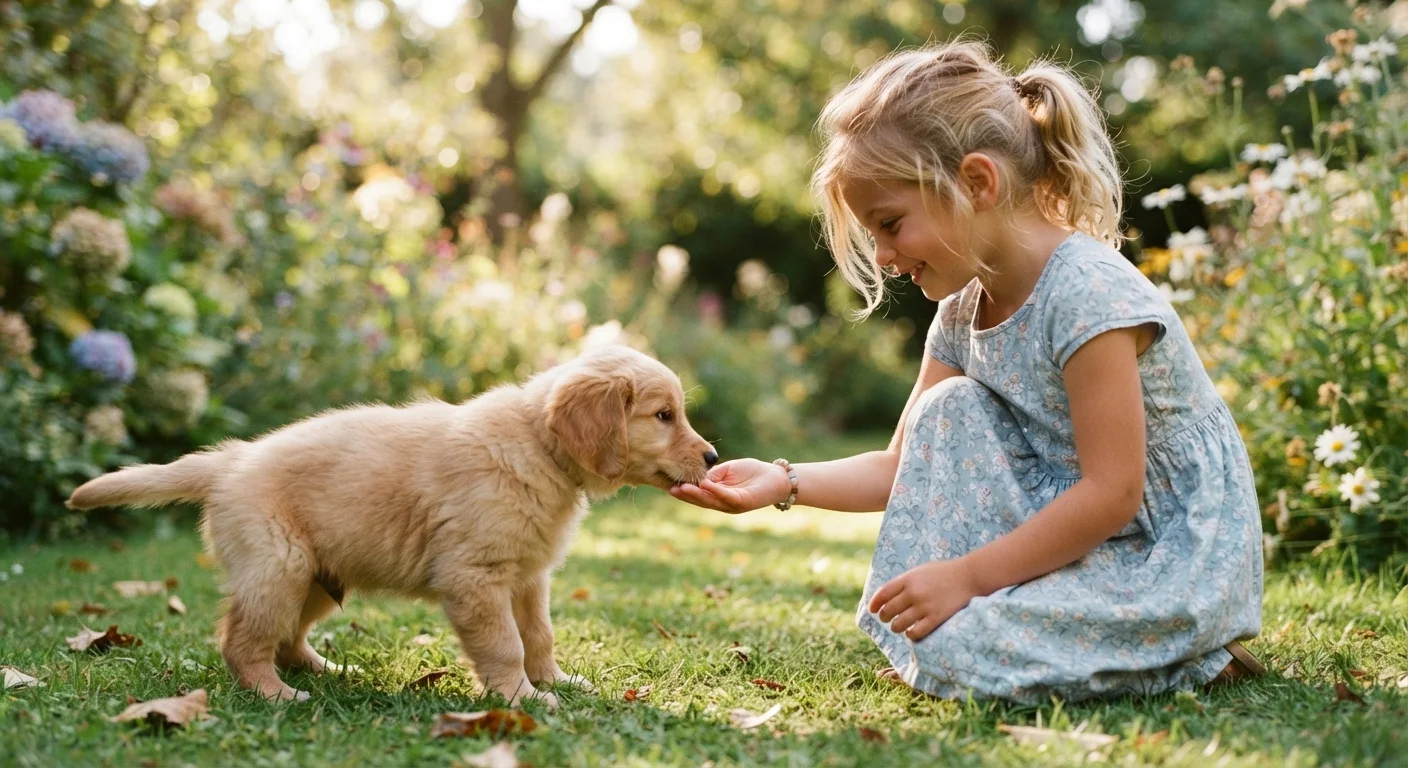
Puppy socialization is not about making your dog friendly. It's about shaping how their nervous system interprets the world. During the socialization period - generally between 3 and 14 weeks of age - a puppy's brain is uniquely open to forming neutral or positive associations with novel stimuli. Experiences encountered during this phase are essentially filed as normal. Experiences that never happen during this period are more likely to be perceived as threatening later.
The behavioral consequences of a poorly socialized puppy are well-documented in veterinary behavioral literature. Dogs that lacked broad early exposure are significantly more likely to show fear-based reactivity, aggression, and generalized anxiety as adults. These are not minor inconveniences - they are among the leading reasons dogs are relinquished to shelters.
This Window Does Not Reopen
The socialization period is biologically time-limited. After roughly 14-16 weeks, the brain's plasticity for forming neutral associations with novelty decreases significantly. A puppy that misses broad, positive exposure during this window may struggle with fear and reactivity that requires extensive, ongoing management throughout adulthood. Acting early is not optional - it's foundational.
If you're in the early stages of dog ownership, our overview on what to expect as a first-time dog owner covers other foundational decisions alongside socialization.
What Good Socialization Actually Looks Like
Socialization is often misunderstood as simply exposing a puppy to things. In practice, it means exposing a puppy to new things in a way that registers as safe and positive. The distinction is critical.
What you will need
The goal of each planned exposure is to leave the puppy in a calm or happy emotional state - not just in proximity to something unfamiliar. This requires keeping sessions short, reading the puppy's body language carefully, and always pairing novelty with something rewarding. Think of it as building a mental catalog of "things that are fine" before the catalog locks in place.
High-value training treats
Used to create positive associations during each new exposure or encounter.
Well-fitted, secure collar and leash
Keeps the puppy safely controlled during outdoor and public socialization outings.
Puppy carrier or sling
Allows safe exposure to environments and sounds before vaccination is complete.
Socialization checklist
A structured list of sights, sounds, surfaces, and people to expose the puppy to systematically.
It's also worth noting that different puppies have different temperaments. A more confident puppy may progress quickly; a naturally cautious one needs a slower pace and more distance from stimuli. Neither is wrong - the approach simply needs to match the individual dog. You may also find it helpful to coordinate socialization timing with your puppy's vaccine schedule to make the safest choices about which environments to visit.
Vaccine Status and Exposure Risk
Before a puppy completes its vaccine series, exposure to unknown dogs or high-traffic dog areas (dog parks, pet stores) carries real disease risk. Work with your veterinarian to balance socialization needs against health risks. Puppy classes held in sanitary, vaccinated environments are generally considered acceptable; unvetted public spaces are not. See our dog vaccination schedule guide for timing details.
For additional context on setting up your home environment to support a puppy's early confidence and learning, the discussion in our crate training vs. free roaming guide can help you think through the physical setup alongside behavioral development.
Understand the timeline - and start now
The socialization window in dogs is driven by neurodevelopment. Between approximately 3 and 14 weeks of age, a puppy's brain is primed to accept new experiences as normal. After 16 weeks, unfamiliar things are more likely to trigger caution or fear rather than curiosity. If you've just brought home an 8-week-old puppy, you have roughly six weeks left in this critical period. Begin immediately - not after settling in, not after vaccines are done.
Build a socialization target list
Effective socialization is systematic, not random. Your goal is to expose your puppy to the full range of people, animals, environments, sounds, and surfaces they are likely to encounter as an adult dog. A practical checklist should include: people of different ages, sizes, and appearances; hats, umbrellas, uniforms, and other unusual garments; children playing, strollers, and bicycles; car rides, elevators, and staircases; slippery floors, gravel, grass, and metal grates; loud sounds such as traffic, appliances, and crowds; and friendly, vaccinated adult dogs.
Prioritize quality of exposure over quantity
A single overwhelming experience can set back socialization significantly. Each exposure should be at the puppy's own pace. Start at a distance that keeps the puppy relaxed and curious - not frozen or backing away. Gradually decrease distance as confidence builds. Use treats continuously during exposure and watch for stress signals: lip licking, yawning, pinned ears, or attempts to flee. If you see these, you've moved too fast.
[tip_callout]Manage health risk with smart exposure choices
Waiting until full vaccination to begin socialization is not recommended by most veterinary behaviorists, because the socialization window closes before the vaccine series is complete. Instead, choose lower-risk exposures: invite vaccinated, healthy dogs owned by people you trust; enroll in a well-run puppy class with health requirements; carry your puppy in a sling to busy areas rather than letting them walk on surfaces where unknown dogs have been. Discuss the specific risk balance with your veterinarian given your local disease environment.
Continue socialization past the window - it still matters
While the primary window closes around 14-16 weeks, socialization-like exposure should continue throughout adolescence and into adulthood. Dogs that aren't regularly exposed to varied environments can become more reactive over time even if they were well-socialized as puppies. Ongoing, positive outings reinforce early learning and prevent regression. For a broader foundation in early dog ownership, see our guide on what no one tells you before bringing home a dog.