

Key Takeaways
- Gap insurance covers the difference between your loan balance and your car's depreciated market value after a total loss.
- New vehicles can lose 15-25% of their value in the first year, creating an immediate coverage gap for many buyers.
- It's most relevant for buyers who made a small down payment, financed long-term, or leased a vehicle.
- Gap insurance is not required by law but is sometimes required by lenders or lessors.
- Drivers with significant equity in their vehicle generally do not need gap coverage.
Gap Insurance
Gap insurance - short for Guaranteed Asset Protection - is an optional auto insurance add-on that covers the difference between what you owe on a car loan or lease and what the car is actually worth at the time of a total loss. Standard comprehensive and collision insurance only pays the vehicle's current market value, which may be less than your remaining loan balance. Gap coverage bridges that financial shortfall so you aren't left paying off a car you can no longer drive.
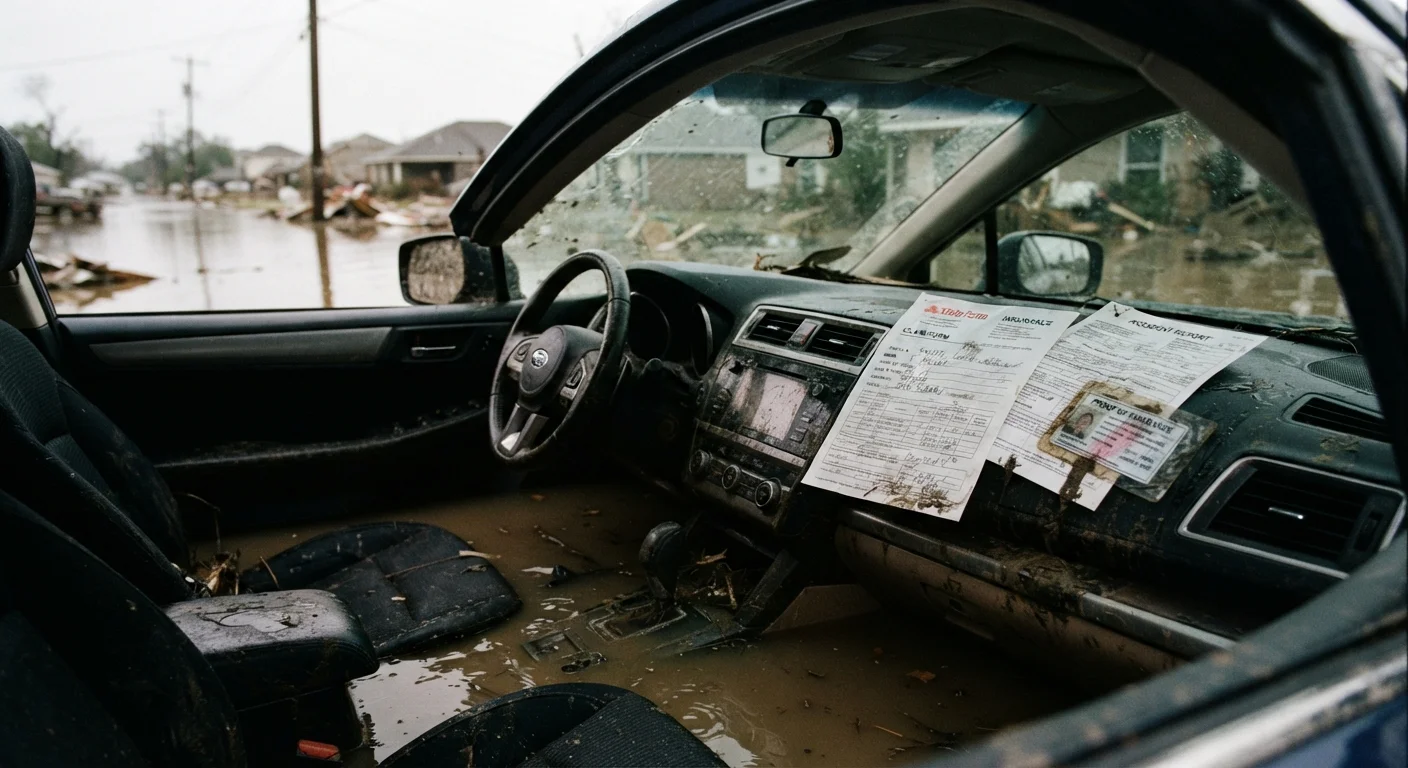
Gap insurance typically applies only when a vehicle is declared a total loss - either through a covered accident, theft, fire, or natural disaster - not for repairs to a drivable vehicle.
Why Standard Car Insurance Can Leave a Gap
When you file a total-loss claim after an accident, your auto insurer calculates the vehicle's actual cash value (ACV) - essentially what the car was worth on the market the moment before it was destroyed. That number accounts for depreciation, mileage, condition, and regional market data. The problem is that depreciation works fast.
A new vehicle can lose a significant portion of its value the moment it leaves the lot, and that decline continues steadily over the first few years. If you financed most of the purchase price, your loan balance drops more slowly than the car's value - creating a window where you owe more than the vehicle is worth. That window is precisely where gap insurance is designed to protect you.
Understanding all the costs tied to a vehicle purchase - including insurance considerations - is a key part of responsible ownership. Our guide to the true cost of car ownership explores how these expenses add up beyond the sticker price.
20%
Average new car depreciation in year one
Industry data consistently shows new vehicles lose roughly 15-25% of their value within the first 12 months of ownership.
~44%
Share of new car loans with terms of 72+ months
Experian's State of the Automotive Finance Market reports have documented the growing prevalence of extended loan terms among US borrowers.
~$6,000
Average negative equity carried into new car loans
Automotive research firms have reported that a significant portion of US trade-ins carry negative equity that gets rolled into new financing.
Who Benefits Most From Gap Coverage
Gap insurance is not equally useful for every driver. The situations below represent the clearest cases where the coverage adds meaningful financial protection:
- Small or no down payment: When you finance 90-100% of a vehicle's price, you start underwater immediately - your loan balance exceeds the car's market value from day one.
- Long loan terms: Financing over 60, 72, or 84 months extends the period during which you may owe more than the vehicle is worth. Depreciation outpaces those early payments.
- Leased vehicles: Many lease agreements require gap coverage because the leasing company holds title and wants the asset fully protected. Check your lease terms carefully.
- High-depreciation vehicles: Some makes and models lose value faster than average, widening the gap for longer.
- Negative equity rolled in: If you carried an unpaid balance from a previous vehicle into your new loan, that immediately inflates the gap.
Conversely, if you made a substantial down payment - typically 20% or more - or have been paying down a short-term loan for several years, you may have already built enough equity to make gap insurance unnecessary. Checking your loan-to-value ratio with your lender is the most direct way to assess your current exposure.
Check Your Loan-to-Value Ratio First
Before purchasing gap insurance, ask your lender for your exact payoff amount and compare it to an independent market valuation of your vehicle. This single comparison tells you whether a gap actually exists and how large it is - allowing you to make a cost-informed decision rather than assuming you need coverage.
What Gap Insurance Does Not Cover
Understanding the limits of gap coverage is just as important as knowing what it includes. Gap insurance is narrowly defined and will not pay for:
- Your collision or comprehensive deductible (that remains your responsibility)
- Repair costs if the vehicle is damaged but not declared a total loss
- Mechanical failures, maintenance, or routine wear
- Negative equity deliberately rolled over from a prior loan, unless explicitly stated in the policy
- Overdue payments, late fees, or other loan penalties at the time of the claim
- Extended warranties or add-ons financed into the loan
Policies vary between providers, so reading the specific terms before purchasing is essential. A gap policy acquired through a dealership may have different exclusions than one purchased through an independent insurer.
How to Evaluate Whether Gap Insurance Makes Sense for You
A straightforward way to assess your need is to compare your current loan payoff amount - available from your lender - against an independent vehicle valuation from a recognized automotive pricing resource. If your loan balance exceeds the vehicle's estimated market value, you likely have a coverage gap worth addressing.
From there, weigh the annual cost of gap coverage - which tends to be modest as a rider on an existing auto policy - against the potential exposure. A few hundred dollars per year may be reasonable protection if you owe substantially more than the car is worth. Once your equity position turns positive, the coverage can typically be cancelled.
It's also worth noting that gap insurance decisions share some conceptual DNA with other coverage choices consumers navigate. Just as drivers weigh auto coverage carefully, pet owners face similar value-versus-cost assessments - the case for and against dog health insurance walks through a comparable framework.
“Depreciation is the silent cost that catches most new car buyers off guard. The financial exposure created in the first two years of ownership is real, and gap coverage exists precisely to address it.”
— Consumer Financial Protection Bureau, Federal consumer financial regulator - general guidance on auto financing risks
This article is for general informational purposes only and does not constitute financial or insurance advice. Consult a licensed insurance professional for guidance tailored to your specific situation.