

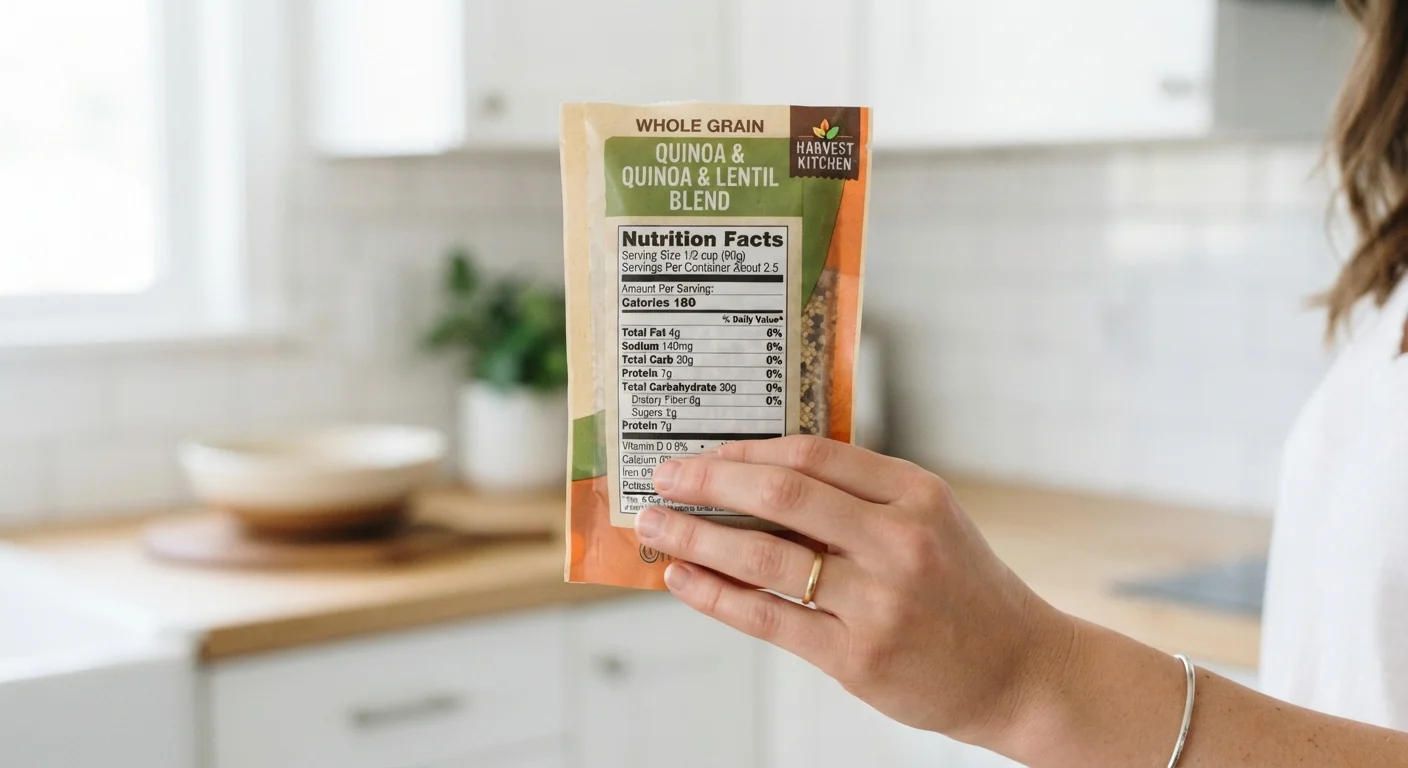
Key Takeaways
- Serving size is the anchor for every number on the label - always check it first.
- % Daily Value tells you how much a nutrient contributes to a standard 2,000-calorie diet.
- Ingredients are listed by weight, so the first few items dominate the product.
- Nutrients like fiber, vitamins, and minerals are generally ones you want more of.
- Saturated fat, sodium, and added sugars are nutrients most Americans should limit.
- The label is a tool for comparison, not a pass/fail verdict on any single food.
What you will need
Why the Nutrition Facts Label Exists
The Nutrition Facts label is a federally mandated panel regulated by the U.S. Food and Drug Administration (FDA). It has appeared on most packaged foods since 1994 and was significantly updated in 2016 to reflect advances in nutritional science - including the addition of a separate line for added sugars and a revised list of required vitamins and minerals.
Its purpose is straightforward: give consumers standardized, comparable information so they can make informed choices. The challenge is that most of us were never taught how to read it efficiently. Serving sizes get overlooked, percentages feel abstract, and front-of-package marketing often contradicts what the panel actually shows. The steps below walk through the label from top to bottom, in the order it is designed to be read.
For a broader foundation in everyday eating, the Eating Smart hub covers the nutrition basics most relevant to American consumers.
What you will need
Putting It All Together at the Store
Once you are comfortable with each section individually, the label becomes a fast comparison tool rather than a source of confusion. Flip two similar products over, align them by serving size, and scan the % DV column for the nutrients you care most about. A few seconds of this habit can shift your choices meaningfully over time.
Use % Daily Value as a Quick Benchmark
A general rule of thumb from the FDA: 5% DV or less per serving is considered low for a nutrient, while 20% DV or more is considered high. This shortcut works well when comparing similar products side by side - no math required.
Serving Size Is Not a Recommended Portion
The serving size on a label reflects a standardized reference amount - it is not a dietary recommendation or suggested intake. A package that appears to be a single serving may legally contain two or more. Always multiply all nutrient values by the number of servings you actually consume.
This Is General Information, Not Medical Advice
Nutrition Facts labels are useful educational tools, but individual dietary needs vary significantly based on health conditions, medications, age, and other factors. The guidance here reflects general public health principles. Always consult a registered dietitian or qualified healthcare professional before making significant changes to your diet, especially if you manage a chronic condition.
Remember that no single food determines the quality of your overall diet. The label is most useful as a pattern-recognition tool across many meals. If you want to apply these skills to specific categories - for example, understanding what juice labels mean - see our guide to juice label terminology, or explore building a balanced plate without calorie counting for a practical framework.
This article provides general nutrition education and is not a substitute for personalized dietary advice. Consult a qualified healthcare professional or registered dietitian for guidance specific to your health needs.