

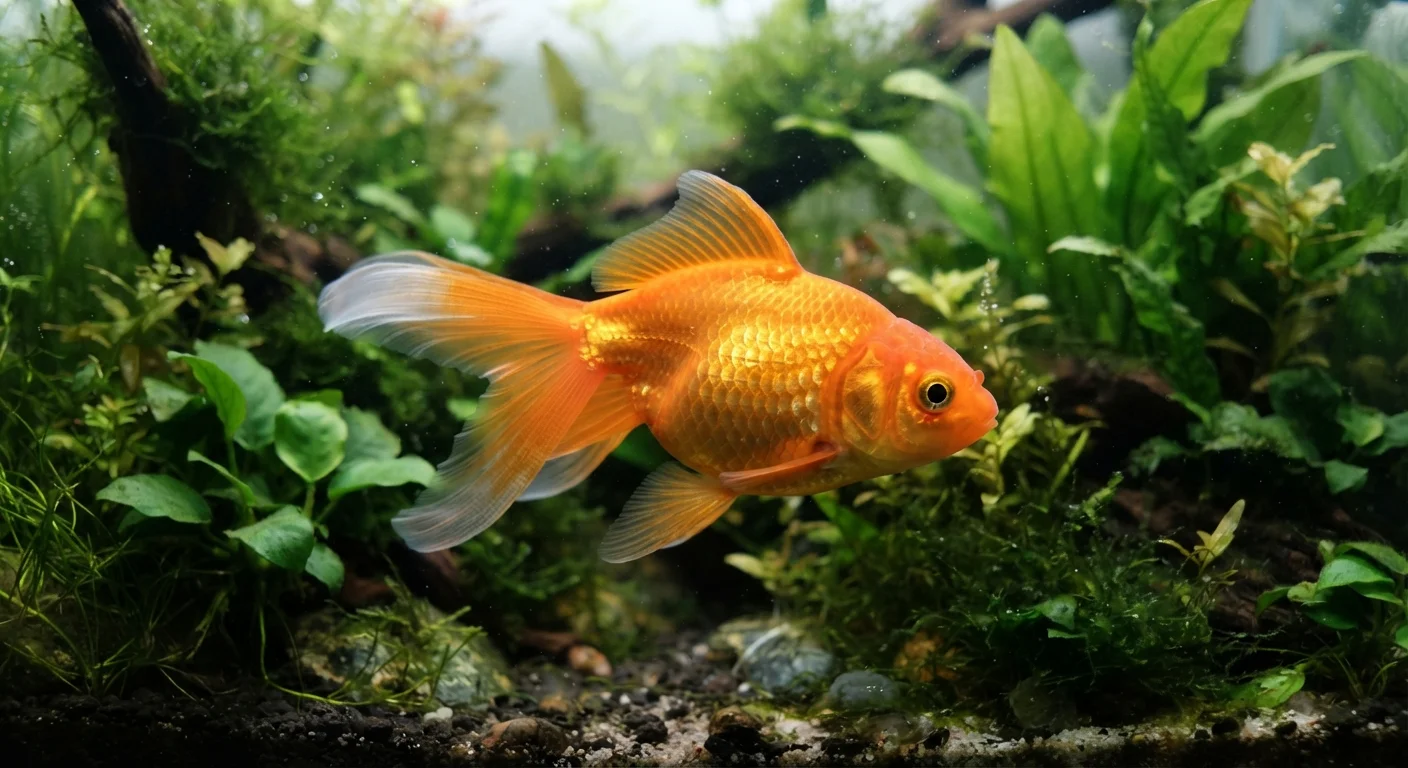
Key Takeaways
- Goldfish can live 10-15 years or longer with proper care and adequate space.
- Goldfish bowls are too small and lack the filtration goldfish need to survive.
- Goldfish have demonstrable memories lasting several months, not three seconds.
- Goldfish are cold-water fish but still require stable, species-appropriate temperatures.
- Overfeeding is one of the most common causes of goldfish illness and death.
Why Goldfish Myths Are So Persistent
Goldfish are among the most widely kept pet fish in the United States, yet they are also among the most misunderstood. Decades of casual advice, novelty carnival prizes, and pop-culture shorthand have produced a set of myths that lead well-meaning owners to unintentionally neglect their fish. The result: goldfish that die within weeks of coming home, when they were biologically capable of living much longer.
Getting goldfish care right begins with clearing away the misconceptions. The myth-and-fact pairs below address the most common and consequential errors.
Myth
Goldfish only have a three-second memory, so they don't experience boredom or distress in small containers.
Fact
Goldfish have been shown in behavioral studies to retain learned information for months, not seconds.
The three-second memory claim is one of the most repeated animal myths with no scientific support. Research in fish cognition - including studies where goldfish were trained to press levers or navigate mazes at specific times of day - has consistently demonstrated memory retention lasting weeks to months. Goldfish can recognize their owners, anticipate feeding schedules, and learn to avoid stimuli associated with negative experiences. Dismissing their cognitive capacity leads owners to underestimate the importance of environmental enrichment and appropriate space.
Myth
A goldfish bowl is a perfectly fine home for a goldfish.
Fact
Bowls are too small, lack adequate filtration, and create water conditions that stress and harm goldfish.
Goldfish produce significant amounts of ammonia-rich waste relative to their body size. Without a proper filter running the nitrogen cycle, ammonia and nitrite accumulate rapidly to toxic levels. Bowls also lack the surface area for adequate gas exchange, meaning oxygen levels drop and carbon dioxide builds up. Common goldfish can reach 10-12 inches in length; even fancy varieties typically grow to 6-8 inches. A bowl simply cannot support that growth or maintain the stable water parameters goldfish require. If you notice your fish frequently dying, Why Your Fish Keep Dying - and What's Actually Going Wrong identifies the most likely culprits.
Myth
Goldfish are easy, low-maintenance starter pets that require minimal attention.
Fact
Goldfish require consistent water quality management, appropriate tank size, and regular feeding - they are not zero-effort pets.
The idea that goldfish are disposable or effortless pets has caused more harm than almost any other misconception in fish keeping. Healthy goldfish need weekly partial water changes, a cycled and filtered tank, appropriate nutrition, and monitoring for signs of illness. While they are a manageable pet for a committed beginner, calling them low-maintenance sets owners up for failure. Fish deaths in the first few weeks of ownership are almost always attributable to poor water conditions - entirely preventable with proper setup.
Myth
Goldfish only grow to the size of their tank, so a small tank keeps them small and healthy.
Fact
Stunted growth in goldfish is a sign of chronic stress and poor water quality, not a benign size adaptation.
While it is true that goldfish in small tanks appear smaller, this occurs because their organ development is suppressed while their bodies continue growing internally. The result is a fish with undersized external dimensions but organs that have continued to develop - causing painful compression and significantly shortened lifespan. A goldfish that appears to have stopped growing in a small bowl is not thriving; it is experiencing chronic physiological stress. Providing adequate space from the start is the ethical and practical choice.
Myth
Goldfish are tropical fish and need a heated tank like most other aquarium fish.
Fact
Goldfish are cold-water fish that do best between 65°F and 72°F - a heater is generally not needed in most homes.
Goldfish originate from temperate regions of East Asia and are adapted to cooler water. Sustained temperatures above 75°F reduce oxygen dissolved in the water and stress goldfish over time. Mixing goldfish with tropical species - which need 76°F-80°F - in a heated community tank creates conditions that suit neither well. That said, temperature stability matters: sudden swings of more than a few degrees can cause immune suppression and increase disease susceptibility. For guidance on fish compatibility, see Tank Mates That Actually Get Along.
Myth
You should feed goldfish as much as they'll eat - they can regulate their intake.
Fact
Goldfish do not self-regulate their food intake reliably and will overeat, leading to serious health and water quality problems.
Goldfish lack a stomach in the traditional sense; food passes continuously through their digestive tract. They are opportunistic feeders that will continue eating as long as food is available, often to the point of intestinal distress. Excess food that goes uneaten sinks, decomposes, and drives ammonia spikes that harm the entire tank. Feeding small amounts once or twice daily - only what disappears in about two minutes - is the standard recommendation from aquatic veterinarians and experienced fish keepers.
What Good Goldfish Care Actually Looks Like
Once the myths are set aside, goldfish care becomes more straightforward - and more rewarding. A properly filtered tank of at least 20 gallons for a single fancy goldfish (or 30+ gallons for slimmer, faster common varieties) creates the stable environment these fish need. Filtration is non-negotiable; without it, toxic ammonia from fish waste accumulates quickly. Understanding how your tank processes waste is essential - see The Nitrogen Cycle Explained for Fish Owners for a full breakdown.
Ammonia Buildup Is a Silent Killer
In an uncycled or unfiltered tank, ammonia can reach harmful levels within 24-48 hours. Goldfish exposed to elevated ammonia show gill damage, lethargy, and redness at the fins - signs that are easy to miss until the fish is severely compromised. Always establish a cycled tank before adding fish, and test water parameters regularly using an aquarium test kit.
Feeding once or twice daily, offering only what the fish can consume in two minutes, prevents the overfeeding cycle that degrades water quality. Partial water changes - typically 25-30% of tank volume weekly - dilute nitrates and keep conditions healthy. If you are starting fresh, Setting Up a Freshwater Aquarium That Actually Stays Healthy walks through everything from cycling to stocking.
10-15 years
Typical goldfish lifespan with proper care
Some well-cared-for goldfish have been documented living over 20 years, according to aquatic biology records.
20+ gallons
Minimum recommended tank size for one fancy goldfish
Aquatic veterinarians and fish-keeping organizations generally recommend at least 20 gallons per fancy goldfish, more for common varieties.
Goldfish kept in species-appropriate conditions are active, responsive, and visibly healthy. They recognize feeding routines, respond to their owners, and can be genuinely engaging pets. The investment in proper setup pays off in years of companionship - not weeks.
This article is for general informational purposes only and is not a substitute for advice from a qualified aquatic veterinarian or fish health specialist.