

Key Takeaways
- Ammonia and nitrite are toxic to fish even at low concentrations; nitrate is much safer.
- A new aquarium must complete the nitrogen cycle before fish are safely added.
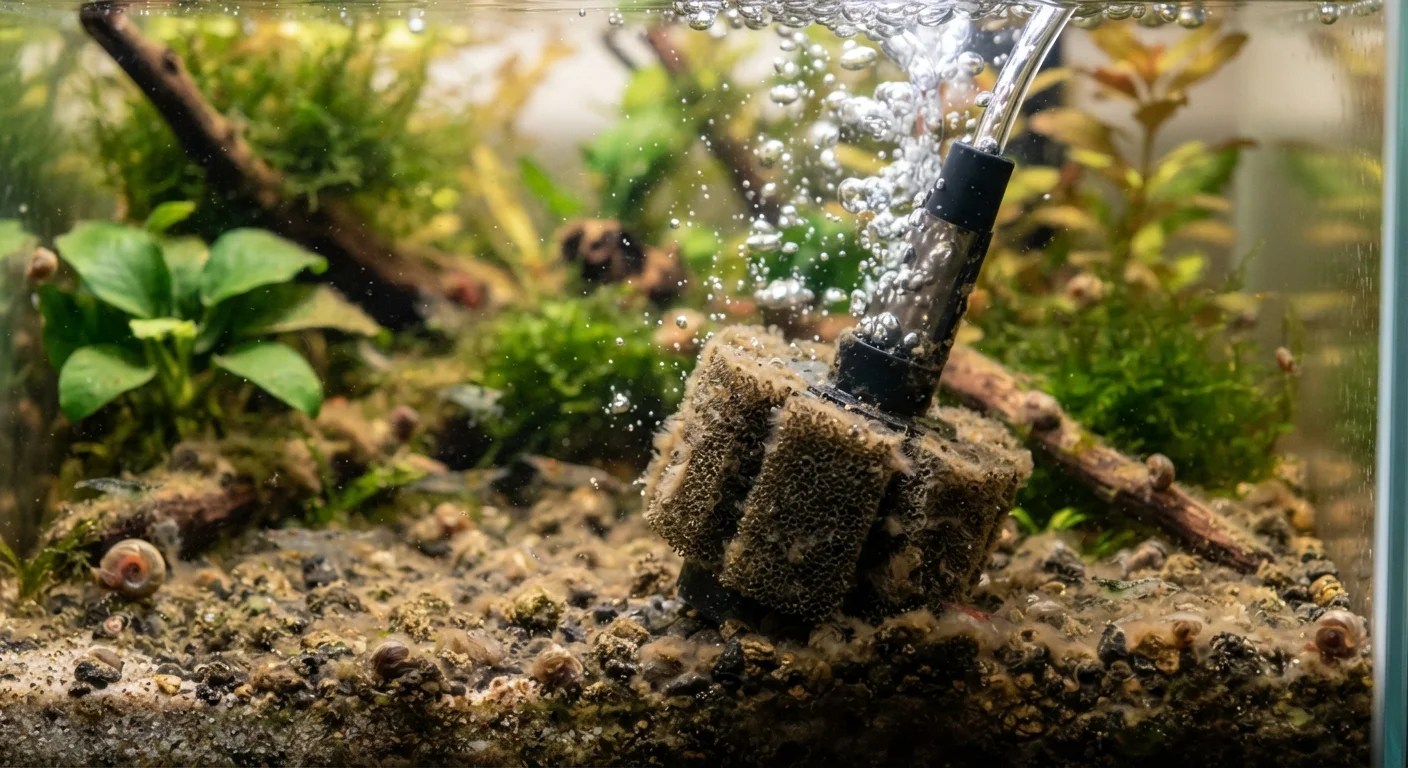
- Beneficial bacteria colonize filter media, gravel, and decorations - not just the water.
- Regular partial water changes control nitrate levels once the cycle is established.
- Cycling a tank typically takes 4-8 weeks, though methods vary.
The Nitrogen Cycle
The nitrogen cycle is the biological process by which beneficial bacteria in an aquarium convert toxic fish waste into less harmful compounds. It begins with ammonia - produced by fish through waste and respiration - and ends with nitrate, which is far less toxic at low levels. Establishing this cycle is the most important step in setting up any fish tank.
The cycle is driven by two genera of bacteria: Nitrosomonas, which oxidize ammonia to nitrite, and Nitrospira (or Nitrobacter), which convert nitrite to nitrate. This process is sometimes called nitrification.
Why the Nitrogen Cycle Is the Foundation of Fish Keeping
Every fish owner eventually encounters the phrase "cycle your tank," and it's not just hobbyist jargon. The nitrogen cycle is the biological engine that keeps aquarium water safe. Without it, even a beautiful, well-decorated tank becomes a slow-moving threat to its inhabitants.
Fish produce waste continuously - through their gills, their digestion, and uneaten food that decays. That waste breaks down into ammonia, a compound that is toxic to fish even in small amounts. A tank without established beneficial bacteria has no way to process that ammonia, and levels can rise to dangerous concentrations within days.
Understanding how the cycle works - and how to support it - is the single most impactful thing a fish owner can do for their pet's long-term health. It also clears up a lot of confusion about why fish sometimes die shortly after being brought home. (If you're new to fishkeeping, our article on common goldfish myths also addresses why small bowls and poor water quality are far more harmful than most owners realize.)
4-8 weeks
Typical time to fully cycle a new aquarium
This range is widely cited by aquatic husbandry guides and reflects average conditions at room temperature with consistent ammonia input.
< 0.25 ppm
Safe ammonia level for most aquarium fish
Many aquatic veterinarians and hobbyist resources recommend keeping ammonia below 0.25 parts per million to avoid gill stress and long-term health damage.
20-40 ppm
General nitrate safety threshold for freshwater fish
Most freshwater community fish tolerate nitrate up to this range; more sensitive species may require levels below 10-20 ppm.
The Three Stages: Ammonia, Nitrite, and Nitrate
The nitrogen cycle moves through three distinct chemical stages, each driven by a different group of bacteria.
Stage 1: Ammonia
Fish excrete ammonia directly through their gills and in their waste. Decaying food and plant matter also release ammonia. In a new tank, ammonia accumulates rapidly because no bacteria yet exist to process it. Even 1-2 parts per million (ppm) can cause gill damage, respiratory distress, and death in many species.
Stage 2: Nitrite
As ammonia rises, a group of bacteria - primarily Nitrosomonas - begins to colonize filter media and substrate. These bacteria consume ammonia and convert it to nitrite. Unfortunately, nitrite is also highly toxic to fish; it interferes with the ability of red blood cells to carry oxygen, causing a condition sometimes called "brown blood disease." A new tank often shows an ammonia spike, followed by a nitrite spike a week or two later.
Stage 3: Nitrate
A second bacterial group - primarily Nitrospira - then converts nitrite into nitrate. Nitrate is far less harmful at moderate levels and is the end product of the cycle. It accumulates gradually and is managed through regular partial water changes - typically 10-25% of tank volume weekly, depending on stocking levels.
Track Your Parameters With a Log
Keep a simple notebook or phone note recording your ammonia, nitrite, and nitrate readings every few days during the cycling process. Watching the numbers move - ammonia rises, then drops; nitrite spikes, then falls - confirms the bacteria are establishing. It also gives you a useful baseline for diagnosing problems later.
How to Cycle a New Tank
The goal of cycling is to grow and stabilize colonies of beneficial bacteria before fish are exposed to unsafe water conditions. There are two primary approaches.
Fishless Cycling
This is the recommended method. Add an ammonia source - a pinch of fish food daily, or a measured dose of pure ammonia - to feed developing bacteria without putting fish at risk. Test water parameters every few days. The tank is cycled when ammonia and nitrite both read zero and nitrate is detectable.
Fish-In Cycling
Some owners add a small number of hardy fish while cycling, performing very frequent partial water changes (daily or every other day) to keep ammonia and nitrite at survivable levels. This method is more stressful on fish and requires close monitoring. If you go this route, your veterinarian or aquatic specialist can advise on appropriate water change schedules and stocking choices.
Speeding Up the Cycle
You can jumpstart a new tank by adding a handful of gravel or a piece of filter media from an already-established, healthy aquarium. This introduces existing bacterial colonies and can significantly reduce cycling time. Commercially available bacteria supplements may also help, though their effectiveness varies.
Chlorine Kills Beneficial Bacteria
Most municipal tap water contains chlorine or chloramines, which are safe for humans but harmful to the bacteria that power your nitrogen cycle. Always treat tap water with a dechlorinator before adding it to your aquarium, whether you're doing a water change or topping off for evaporation. This single step protects both your fish and your established bacterial colony.
Maintaining the Cycle Long-Term
Once established, the nitrogen cycle is relatively stable - but it can be disrupted. Avoid cleaning all filter media at once; rinsing sponges or ceramic rings in chlorinated tap water will kill the beneficial bacteria living on them. Instead, rinse filter media in a bucket of aquarium water removed during a water change.
Significant events - like treating the tank with antibiotics, adding too many fish at once, or a power outage that stops the filter - can cause ammonia or nitrite to spike again. Keep a reliable liquid test kit on hand (test strips are less accurate) and check your parameters any time fish appear sluggish, are gasping at the surface, or show signs of stress.
Routine partial water changes remain the most reliable tool for keeping nitrate at safe levels. Most freshwater community fish do well when nitrate stays below 20-40 ppm, though more sensitive species may require lower levels. Your aquarium's specific needs will depend on the fish you keep, your feeding habits, and your filtration capacity.
This article is for general informational purposes only and is not a substitute for advice from a qualified aquatic veterinarian or fish health specialist. If your fish are showing signs of illness, consult a professional.