

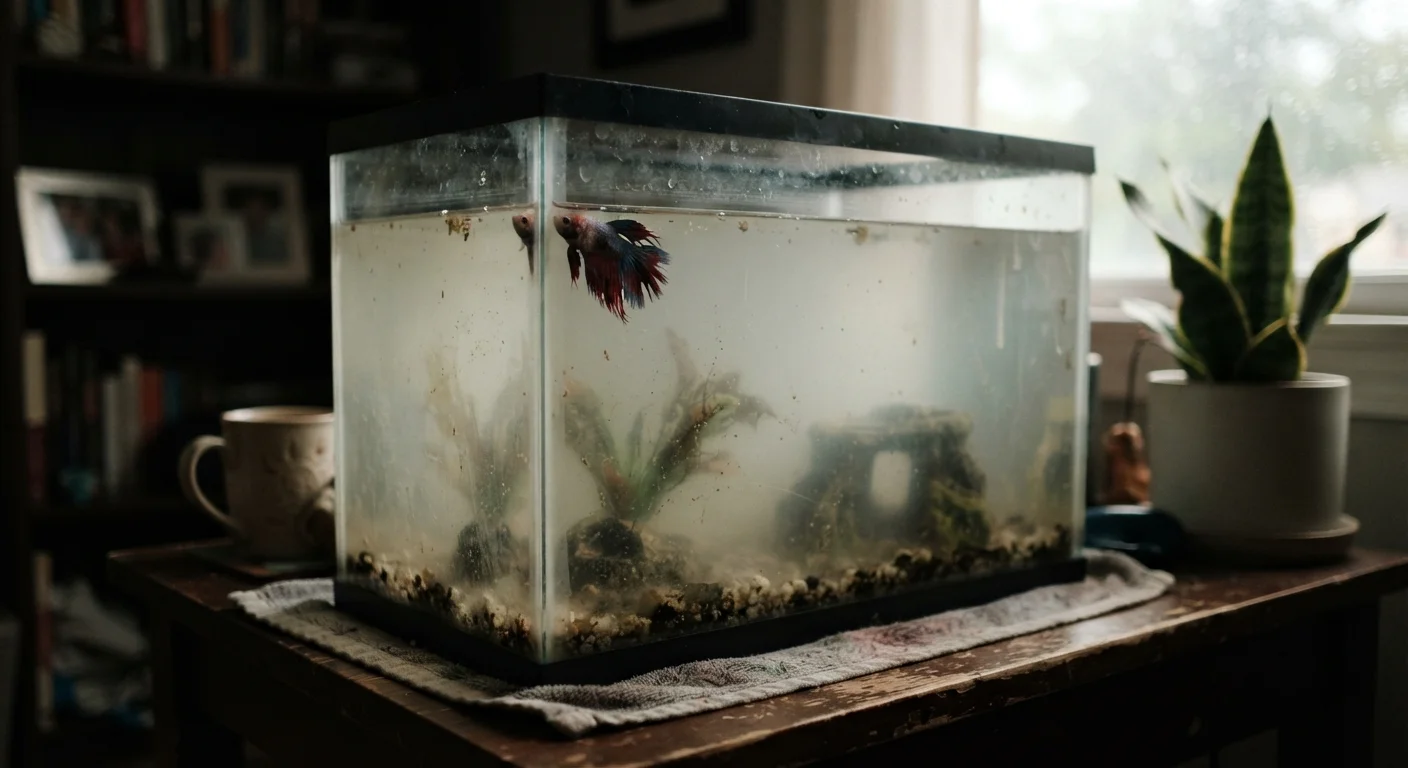
Key Takeaways
- Most fish deaths trace back to water quality problems, not disease or bad luck.
- Skipping the nitrogen cycle before adding fish is one of the most common and deadly mistakes.
- Overfeeding pollutes water rapidly and is far easier to do than most owners realize.
- Stress from incompatible tank mates or abrupt changes weakens fish immune systems significantly.
- A basic water testing kit is the single most useful tool any fish owner can own.
The Real Reasons Fish Die - and Why It's Usually Preventable
Fish are often marketed as low-maintenance pets, but they live in a closed aquatic environment that requires active management. Unlike a dog or cat, a fish cannot signal distress in obvious ways, and by the time symptoms are visible, the underlying problem may already be critical.
The good news: the vast majority of fish deaths have identifiable, preventable causes. Understanding what those causes are - and recognizing them early - makes the difference between a thriving tank and a frustrating cycle of loss. If you're setting up a new aquarium, our guide on setting up a freshwater aquarium covers the foundational steps before you add a single fish.
Test Your Water Before Blaming Disease
When fish die unexpectedly, many owners assume illness and treat with medication - but untreated water problems kill far more fish than pathogens do. Before adding any treatment, test your water for ammonia, nitrite, nitrate, and pH. Medication added to chemically imbalanced water can make conditions worse, not better.
Common Mistakes That Kill Fish - and How to Fix Them
Most fish deaths aren't random - they follow predictable patterns rooted in setup errors, maintenance oversights, and misunderstood fish needs. The mistakes below are among the most common across beginner and intermediate fish keepers alike.
Adding fish to an uncycled tank.
Why it happens: New owners are eager to stock their tank right away and don't realize the filter needs weeks to establish beneficial bacteria first.
Overfeeding fish consistently.
Why it happens: Fish appear to beg for food constantly, and owners interpret this as hunger. In reality, fish have small stomachs and excess food rapidly decays into ammonia.
Making large, sudden changes to water temperature, pH, or salinity.
Why it happens: Owners may do large emergency water changes or move fish between containers without matching conditions, causing rapid parameter swings that shock fish systems.
Overstocking the tank with too many fish.
Why it happens: Stocking limits aren't intuitive, and fish stores often sell fish without flagging space requirements. A crowded tank exhausts its biological filter quickly.
Keeping incompatible fish together in the same tank.
Why it happens: Fish are often grouped by visual appeal rather than behavioral compatibility, leading to aggression, stress, and injury.
Never Use Tap Water Without Treating It First
Tap water contains chlorine and chloramine, chemicals that damage fish gills and disrupt the beneficial bacteria in your filter. Always use a dechlorinator (water conditioner) when adding new water to your tank - this applies to top-offs after evaporation, not just full water changes. Skipping this step, even once, can cause rapid deterioration in water quality.
Beyond water chemistry, stress plays a major role in fish health. Chronic stress - from aggressive tank mates, inadequate hiding spots, or constant noise near the tank - suppresses immune function and leaves fish vulnerable to infections they would otherwise fight off. Goldfish owners, in particular, often make species-specific errors; our piece on common goldfish myths addresses several widespread misconceptions that lead to preventable harm.
90%
Fish deaths linked to water quality
Aquatic veterinarians and hobbyist organizations consistently estimate the vast majority of unexplained fish deaths are caused by preventable water quality issues.
3-6 weeks
Time needed to cycle a new tank
Establishing a stable colony of beneficial bacteria in a new aquarium filter typically requires three to six weeks before fish can safely be added.
Keeping a log of your water test results over time is one of the most practical habits you can develop. It lets you spot trends - a slow climb in nitrates, a recurring pH dip - before they reach dangerous levels. A basic liquid test kit is more accurate than strip tests and pays for itself quickly in fish you won't lose.