

Key Takeaways
- A pre-purchase inspection is conducted by an independent mechanic, not the seller.
- Inspections typically cover engine, transmission, brakes, suspension, electrical systems, and body condition.
- The inspection cost is usually modest compared to the repair bills it can help you avoid.
- A PPI complements - but does not replace - a vehicle history report.
- Even certified pre-owned vehicles can benefit from independent verification.
Pre-Purchase Inspection (PPI)
A pre-purchase inspection is a thorough mechanical evaluation of a used vehicle conducted by an independent, qualified mechanic before you commit to buying it. The mechanic examines the car's major systems - engine, transmission, brakes, suspension, and more - to identify existing problems or future repair risks. The goal is to give you an objective, expert picture of what you'd actually be buying.
A PPI is distinct from a vehicle history report, which documents past ownership and reported incidents. The PPI assesses the vehicle's current physical and mechanical condition firsthand.
What Mechanics Actually Examine
A professional pre-purchase inspection is far more systematic than a walk-around or test drive. Here's what a qualified mechanic works through:
- Engine and drivetrain: The mechanic checks for oil leaks, coolant condition, belt and hose wear, and listens for abnormal noises at idle and under load. They'll often pull diagnostic trouble codes from the onboard computer even if no warning light is currently illuminated.
- Transmission: Fluid color and smell, shift quality during a test drive, and signs of slippage or hesitation are all evaluated. Automatic transmission repairs are among the costliest a vehicle can need.
- Brakes and suspension: Pad thickness, rotor condition, and brake fluid age are measured. Suspension components - ball joints, control arms, shocks, and struts - are checked for play, corrosion, and wear.
- Steering system: Rack-and-pinion or steering box condition, power steering fluid, and tie rod ends are inspected for looseness or leaks.
- Electrical systems: Battery health, charging output, lighting, and major electronics (HVAC, windows, safety systems) are tested where accessible.
- Body and frame: The mechanic looks for signs of previous collision repair - mismatched paint, uneven panel gaps, overspray, or evidence of structural straightening. Frame damage that wasn't disclosed is one of the most serious findings a PPI can surface.
- Tires: Tread depth, uneven wear patterns (which signal alignment or suspension issues), and sidewall condition are all noted.
- Fluids and filters: The condition of engine oil, coolant, brake fluid, and transmission fluid tells a story about how the vehicle was maintained.
Many mechanics also perform a test drive to assess real-world performance, vibration, and any sounds that only appear under driving conditions.
How to Arrange an Inspection - and What to Watch For
Arranging a PPI is straightforward, but a few steps make a meaningful difference in what you get out of it.
Always Choose an Independent Mechanic
Select a shop that has no financial relationship with the seller. ASE-certified mechanics are a reliable benchmark for competence and professionalism. If you're buying in an unfamiliar city, calling ahead and explaining you need a pre-purchase inspection is a routine request most reputable shops handle regularly.
Choose your own mechanic. Search for an independent shop or a mechanic certified by the National Institute for Automotive Service Excellence (ASE). Avoid using a shop recommended by the seller. If the vehicle is far from you, many mechanics in that area will accept appointments from out-of-town buyers - a quick call explaining the situation is usually all it takes.
Arrange access in advance. The seller must agree to take the vehicle to the shop, or allow you to do so. Get this agreement in writing if possible. For private sales, this is a normal part of the negotiation process. For dealer sales, reputable dealers routinely allow it.
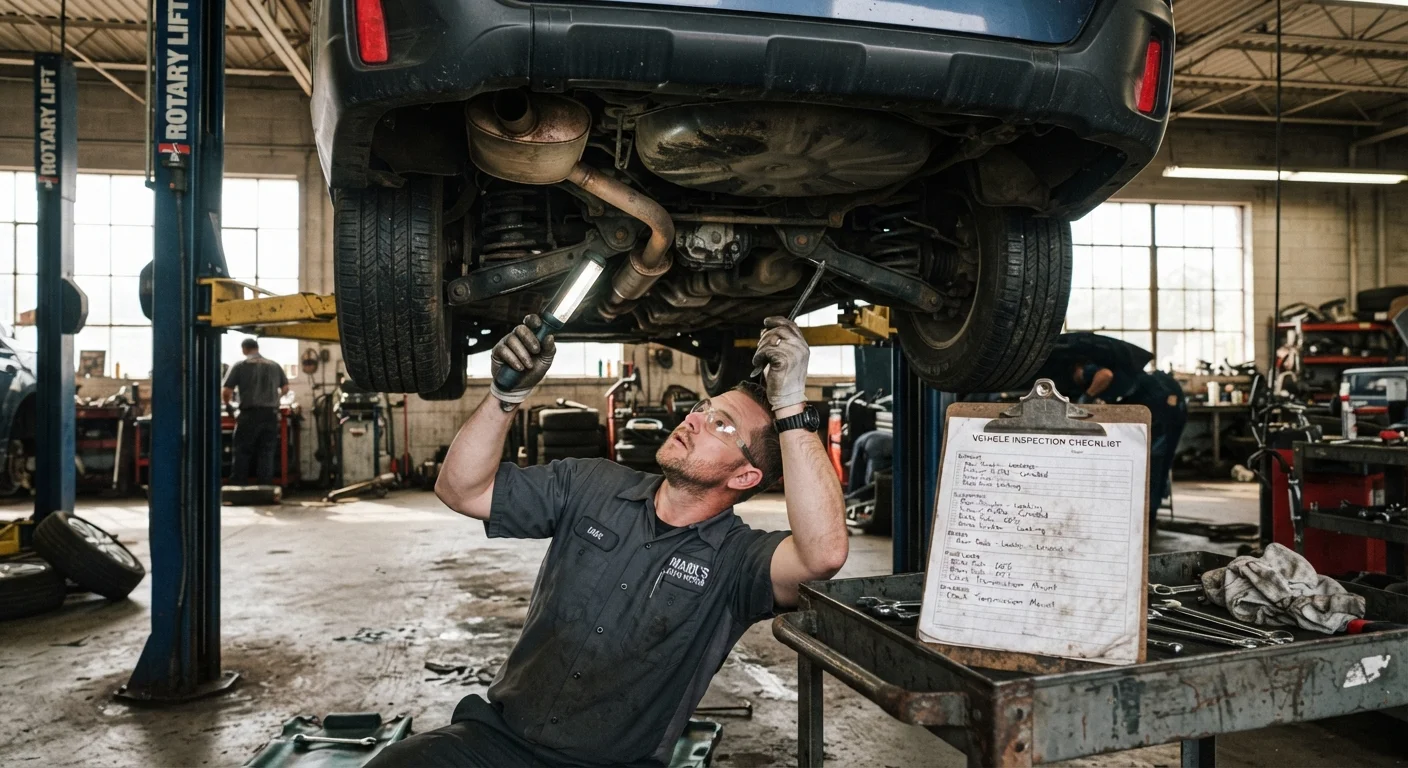
Be present if you can. Attending the inspection lets you ask questions in real time and see the issues firsthand - not just read about them later on a report. A good mechanic will walk you through their findings verbally and show you what they've spotted on the lift.
Review the written report carefully. Ask the mechanic to note not just current problems, but items approaching end of service life. Tires with 20% tread left, brake pads at minimum thickness, or a battery near the end of its useful life all represent near-term costs worth factoring into your offer.
Pair the PPI findings with a vehicle history report for the most complete picture. The history report can flag past accidents, title issues, or odometer discrepancies that give important context to what the mechanic finds.
Why the Investment Makes Financial Sense
The cost of a PPI is small relative to the financial exposure of buying a used vehicle with concealed problems. A transmission replacement can easily exceed $3,000. Structural frame repair may cost more than the vehicle is worth. Even a failing catalytic converter can run $1,000 or more to replace.
$100-$200
Typical PPI cost range
Independent mechanics and ASE-certified shops generally charge in this range for a comprehensive pre-purchase inspection.
$3,000+
Average automatic transmission replacement cost
Transmission failure is one of the most expensive repairs a used vehicle buyer can inherit; a PPI can identify early signs of transmission trouble.
~40%
Used cars with undisclosed issues in some studies
Industry surveys and consumer advocacy research have consistently found that a significant share of used vehicles carry problems not disclosed by sellers.
Beyond avoiding outright lemons, the inspection findings give you negotiating leverage. If the mechanic identifies $800 in needed brake and suspension work, you have documented grounds to request a price reduction - or walk away from a seller who won't budge.
It's worth understanding that even a clean inspection report doesn't eliminate all risk. Intermittent electrical gremlins, early-stage internal engine wear, or issues that only appear under specific conditions may not surface in a single session. A PPI substantially narrows your exposure; it doesn't eliminate it entirely.
Used vehicle ownership involves real ongoing costs beyond the purchase price. Our overview of the true cost of car ownership covers insurance, fuel, depreciation, and maintenance - context that makes the inspection's value even clearer when you're evaluating total financial commitment.
A pre-purchase inspection is one of the most straightforward ways an informed buyer protects themselves. The hour and modest fee it requires can prevent years of unexpected repair bills - or spare you from a purchase you'd quickly regret.