

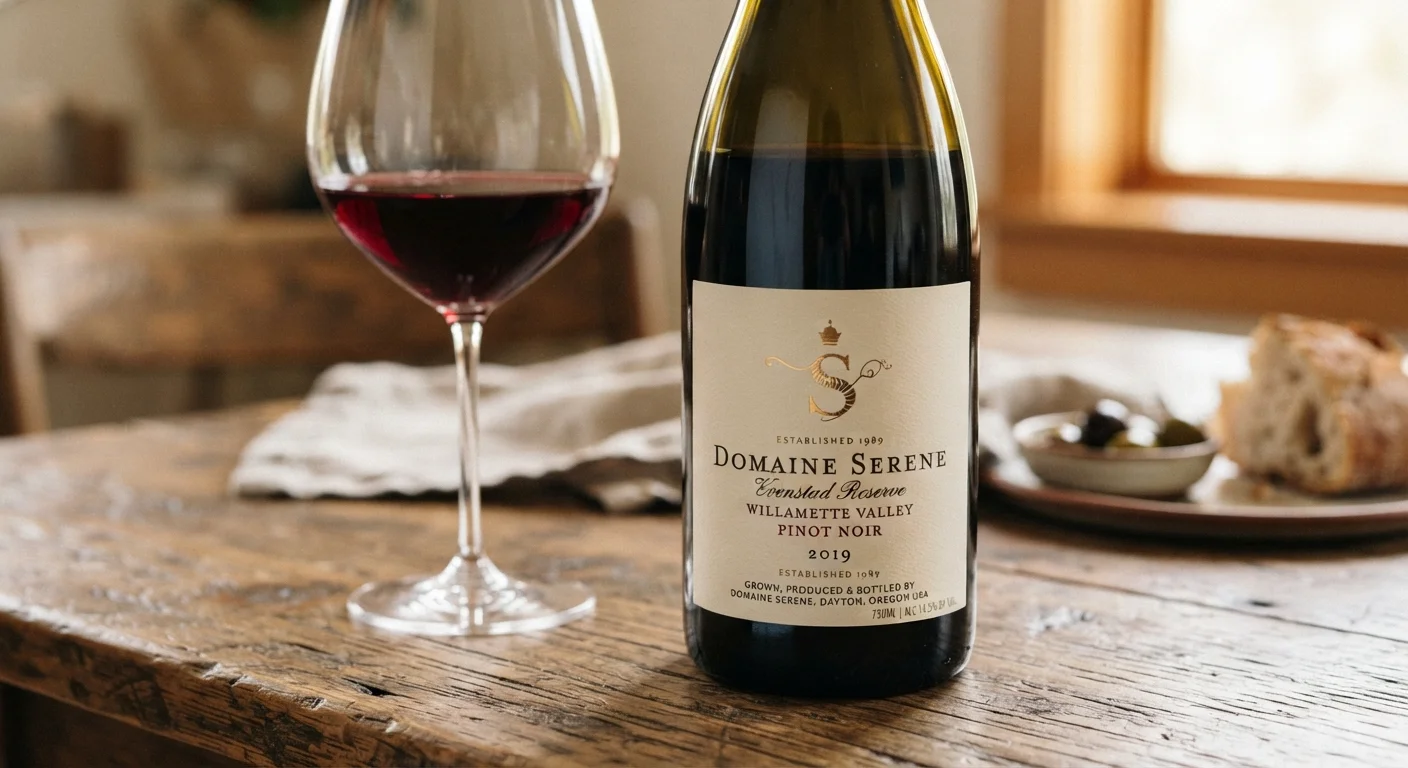
Key Takeaways
- The producer name and region tell you who made the wine and where the grapes were grown.
- Vintage refers to the harvest year, which can affect flavor due to seasonal growing conditions.
- Varietal labels name the dominant grape; regional labels use place names as a proxy for grape type.
- Alcohol by volume (ABV) is a reliable indicator of a wine's body and intensity.
- Terms like "Reserve" and "Old Vine" have no legally standardized meaning in the US.
- Understanding appellation tells you the wine met specific geographic and sometimes quality standards.
What you will need
Why Wine Labels Feel Confusing
Wine labels weren't designed as consumer guides - they evolved from a mix of legal requirements, regional tradition, and marketing. A Bordeaux label follows French AOC (Appellation d'Origine Contrôlée) rules. A California label follows TTB (Alcohol and Tobacco Tax and Trade Bureau) rules. The result is that labels from different countries can look completely different while communicating the same core facts.
The good news: every label answers the same five questions, even if it buries them differently - who made it, where the grapes grew, what grape was used, when it was harvested, and how strong it is. Once you know what you're looking for, the label becomes a readable document rather than a decorative obstacle.
Just as nutrition labels use a regulated structure to help you evaluate packaged food - as explored in our guide to reading a nutrition facts label - wine labels have their own logic that becomes clearer with a quick framework.
What you will need
Step-by-Step: Decoding the Label
Work through the label systematically using the steps below. You don't need to memorize regions or grape varieties upfront - the goal is to know which part of the label answers which question.
The wine bottle itself
The front and back labels are your primary source of information for this exercise.
A reliable wine region reference (book or reputable website)
Helps you look up unfamiliar appellations or grape varieties mentioned on the label.
Find the producer name
The largest or most prominent text on the front label is usually the producer - the winery, estate, or négociant (a company that sources and bottles wine from multiple growers) that made the wine. This is your first anchor point. Knowing the producer lets you research their general style and reputation if you want to dig deeper later.
Identify the vintage year
A four-digit year on the label is the vintage - the year the grapes were harvested, not when the wine was bottled or released. Growing conditions vary year to year, so the vintage can influence a wine's flavor profile. A wine with no year listed is called non-vintage (NV), which is common for sparkling wines and some fortified wines, where consistency across harvests is the goal.
Read the grape variety or region
Labels use one of two approaches to tell you what's in the bottle:
- Varietal labeling: The grape type is named directly - Chardonnay, Cabernet Sauvignon, Pinot Noir. In the US, a wine must contain at least 75% of that grape to carry its name on the label.
- Regional labeling: Place names like Burgundy, Chianti, or Rioja act as a code for grape type. Burgundy, for instance, signals Pinot Noir (red) or Chardonnay (white). Learning a handful of classic regions unlocks a lot of labels.
Locate the appellation
The appellation is the officially designated geographic area where the grapes were grown. In the US, these are called AVAs (American Viticultural Areas). The more specific the appellation, the more the label is signaling a defined terroir - the combination of soil, climate, and geography that shapes flavor. A wine labeled "Napa Valley" is more specific than one labeled "California," and that specificity often (though not always) reflects tighter growing standards.
Check the alcohol by volume (ABV)
By law, US wine labels must state ABV - the percentage of the liquid that is alcohol. This number is more than a safety figure; it's a practical flavor guide. [tip_callout]
Interpret any additional label terms
Once you've covered the basics, scan for descriptor terms:
- Estate bottled: The winery grew, produced, and bottled the wine itself - a sign of end-to-end control.
- Old Vine: Suggests the grapes come from older vines, which some producers believe yield more concentrated flavors. No legal age minimum exists in the US.
- Unfiltered / Unfined: The wine skipped certain clarification steps. This can affect texture and sometimes means sediment in the bottle.
- Contains sulfites: Required on all US labels if sulfite levels exceed 10 parts per million. Sulfites are a natural byproduct of fermentation and are also added as a preservative.
"Reserve" Doesn't Mean What You Think
In the United States, the word "Reserve" on a wine label has no legal definition. Any producer can use it without meeting specific quality or aging requirements. In contrast, countries like Spain and Italy legally define "Reserva" or "Riserva" to require minimum aging periods. Always look at the full label - not just one word - to judge a wine's character.
Front Labels Can Be Misleading
Wine marketing often leans on evocative imagery and vague prestige language. Terms like "artisan," "handcrafted," or "small batch" carry no regulated definition on wine labels. Flip the bottle to read the back label for more factual detail, and cross-reference the appellation to understand what quality standards, if any, actually apply.
If you enjoy decoding labels on other drinks, the same analytical approach applies to craft beer. Our craft beer style field guide walks through how style names, ABV, and ingredients are communicated differently in that world.