

Key Takeaways
- A core set of 10-12 versatile spices covers the majority of everyday recipes across multiple cuisines.
- Spices lose potency over time - most ground spices are best replaced within one to two years.
- Buying spices in small quantities reduces waste and keeps your pantry manageable and fresh.
- Organizing spices by cuisine or flavor profile helps you grab the right one faster while cooking.
- Whole spices stay fresh longer than pre-ground versions and can be toasted and ground as needed.
Why a Smaller Spice Collection Often Works Better
It's tempting to stock every spice a recipe calls for, but a large, disorganized collection has a hidden cost: most of those jars go stale before they're used a second time. A focused collection of well-chosen spices is more practical, more economical, and more likely to actually improve your cooking.
The goal isn't to have every possible spice - it's to own the ones that pull their weight across multiple dishes. When you reach for cumin on taco night and find it again in a lentil soup and a spice rub, that's a foundational spice. When a jar sits untouched for two years, it's pantry clutter. For a broader look at how a thoughtful pantry comes together, see stocking a pantry that makes healthy eating easier.
1-2 years
Typical shelf life of ground spices
Food safety and culinary authorities generally recommend replacing most ground spices within one to two years for best flavor, though they remain safe to consume beyond that.
3-4 years
Shelf life of whole spices
Whole spices retain their volatile aromatic compounds longer than pre-ground versions because less surface area is exposed to air and light.
The Core Spices Worth Owning
While individual cooking styles vary, certain spices appear across a wide range of everyday recipes. The following categories form a reliable starting point:
- Earthy and warming: Cumin, coriander, smoked paprika, and cinnamon appear in everything from chili to roasted vegetables to baked goods.
- Heat and pepper: Cayenne, black pepper (always freshly ground when possible), and red pepper flakes add depth and adjustable spice to countless dishes.
- Aromatic: Garlic powder and onion powder aren't substitutes for fresh aromatics, but they build background flavor efficiently in dry rubs, soups, and sauces.
- Bright and floral: Turmeric lends color and an earthy note to rice, eggs, and soups. Dried oregano bridges Italian, Greek, and Mexican cooking styles.
These 10-12 spices give you a working palette for most American, Mexican, Mediterranean, and South Asian home cooking. As your confidence grows, you can add more specialized spices - but start here.
Buy spices in the smallest quantity that makes sense for your cooking frequency.
Spices don't last forever. Buying small ensures you use them while they're still potent and reduces waste from jars that sit unused. Freshness directly affects the flavor you get in a dish.
Store spices in a cool, dry, dark location - not above the stove or on a sunny counter.
Heat and light degrade volatile aromatic compounds, which are what give spices their flavor and fragrance. Improper storage can halve a spice's useful life.
Label jars with the purchase date so you can track freshness without guessing.
Most people can't tell when they bought a spice by looking at it. A simple date label prevents you from unknowingly cooking with stale spices for months or years.
Before buying a new spice, check whether you already own something in the same flavor family.
Many spices overlap in function. Buying a new jar when a similar one already exists leads to duplication and clutter without meaningfully expanding your cooking range.
Bloom ground spices in oil or butter early in cooking rather than adding them at the end.
Heat activates fat-soluble aromatic compounds in dried spices, releasing more flavor into the dish. Spices added to a finished sauce often taste raw or sharp by comparison.
How to Keep Your Spice Collection Fresh and Organized
Even the best spices become useless if stored poorly. Heat, light, and moisture are the enemies of spice potency - which is why storing jars above the stove or near a sunny window shortens their useful life significantly.
The Sniff Test Is Your Best Tool
Don't rely on expiration dates alone to assess spice freshness - many jars don't have them. Instead, rub a small amount of the spice between your fingers and take a deep smell. A fresh spice should have a vivid, immediate aroma. If it smells faint, dusty, or like nothing at all, it's past its prime and worth replacing before it dull your cooking.
Ground spices generally retain good flavor for one to two years; whole spices can last three to four years. The best test is simple: rub a small amount between your fingers and smell it. If the scent is faint or dusty rather than vivid and sharp, it's time to replace it. Buying in small quantities from stores with good turnover helps ensure you're starting with fresher product.
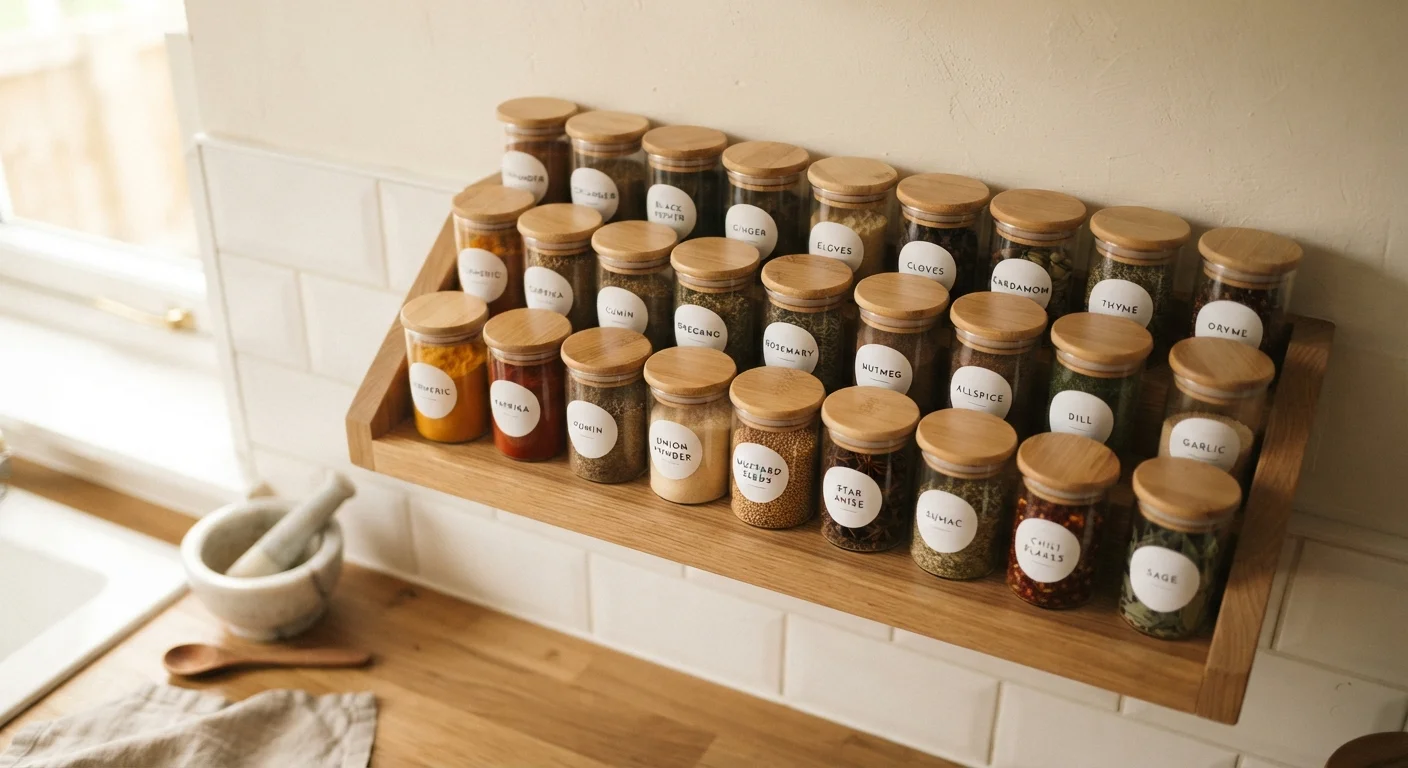
For organization, two systems work well for home cooks: alphabetical order (good if you know spice names quickly) or grouping by flavor family or cuisine (useful if you tend to cook by category). Either approach beats the all-too-common method of a drawer where jars are buried and forgotten. If you're also thinking through how herbs fit alongside your spices, understanding fresh versus dried herbs will help you round out your approach.
Using Your Spices More Confidently
Owning good spices only helps if you use them. Many home cooks add spices timidly, resulting in dishes that taste flat. A general principle: dried ground spices benefit from being added early in cooking, where heat helps bloom their flavors in oil before liquids are added. Finishing spices - like a pinch of cayenne or a dusting of smoked paprika - go on at the end for brightness and color.
Toasting whole spices briefly in a dry pan before grinding amplifies their aroma noticeably and is worth the extra two minutes. This technique is standard in South Asian cooking but applies to cumin seeds, coriander seeds, and whole peppercorns across many cuisines.
If a recipe calls for a spice you don't have, check whether you already own something in the same flavor family before buying a new jar. Reading recipes more critically can also help you understand when a spice is essential versus decorative - which makes substitutions easier.
Spice Blends Can Simplify Without Compromising
Pre-made spice blends like Italian seasoning, curry powder, or chili powder are perfectly valid pantry tools - they combine multiple spices in balanced proportions and reduce how many individual jars you need. The tradeoff is less control over the final flavor profile. As your palate develops, you may find yourself blending your own, but starting with quality pre-made blends is a smart, practical approach.