

Key Takeaways
- Cases significantly reduce damage from drops, but go caseless if aesthetics or heat management matter more to you.
- Phones without cases can run slightly cooler during heavy use due to better heat dissipation.
- Modern flagships often have durable glass and IP ratings, making the case decision less clear-cut than it once was.
- A screen protector can provide a meaningful middle ground if you skip the case entirely.
Absorbs impact energy during drops
Even a basic case with raised corners can meaningfully reduce the force transferred to the phone's glass and chassis during a fall.
Protects against daily scratches and abrasion
Keys, coins, and rough surfaces are common culprits for cosmetic wear; a case keeps the original finish intact over months of use.
Improves grip on glass-back devices
Smooth glass backs look great but can be slippery; most case materials add friction that makes the phone easier to hold securely.
Helps maintain resale value
A cased phone typically shows fewer scuffs and scratches, which can make a meaningful difference when selling or trading in your device.
Adds bulk and weight to the device
Even slim cases add a few millimeters and several grams, which changes the feel significantly on already-large phones.
Can trap heat during intensive use
Tight-fitting cases reduce airflow around the chassis, and sustained heat is associated with faster battery capacity degradation over the device's lifetime.
Obscures the phone's original design
Manufacturers invest heavily in materials and finishes; a case hides that entirely, which matters to users who value industrial design.
Adds ongoing cost and waste
Cases wear out, break, or become unfashionable, leading many users to buy multiple cases over a device's lifespan, contributing to plastic waste.
Our Verdict
For most people who use their phones on the go, a case offers meaningful protection that outweighs its trade-offs. However, if you handle your phone carefully, prefer a slimmer feel, or run demanding tasks that generate heat, going caseless is a reasonable choice - especially on devices with strong built-in durability ratings.
Cases are best for active users, parents, outdoor workers, or anyone prone to drops; going caseless suits careful users who prioritize the original design and slim form factor.
Why This Decision Is Worth Thinking Through
Most of us grab a case the moment we unbox a new phone - out of habit, or because every phone retailer has them on prominent display. But treating a case as automatic overlooks genuine trade-offs that affect how your phone feels, performs, and even lasts over time.
The choice isn't simply protection versus no protection. It involves weight, grip, heat dissipation, resale value, and day-to-day comfort. Understanding each factor helps you make a decision that actually fits your lifestyle rather than following convention by default.
IP Ratings Don't Cover Everything
Water resistance ratings like IP67 and IP68 are tested in controlled laboratory conditions using fresh water. Saltwater, chlorinated water, and physical drops are different scenarios entirely. A high IP rating is a useful safety net, but it isn't a substitute for basic physical protection.
The Case for Using a Case
The primary argument for a case is straightforward: phones are expensive and physically fragile. Even devices marketed as durable can crack or shatter from a single unlucky drop. A case - particularly one with raised edges around the screen and camera module - absorbs a meaningful portion of impact energy before it reaches the device.
Absorbs impact energy during drops
Even a basic case with raised corners can meaningfully reduce the force transferred to the phone's glass and chassis during a fall.
Protects against daily scratches and abrasion
Keys, coins, and rough surfaces are common culprits for cosmetic wear; a case keeps the original finish intact over months of use.
Improves grip on glass-back devices
Smooth glass backs look great but can be slippery; most case materials add friction that makes the phone easier to hold securely.
Helps maintain resale value
A cased phone typically shows fewer scuffs and scratches, which can make a meaningful difference when selling or trading in your device.
Beyond drop protection, cases guard against daily wear like scratches from keys in a pocket or abrasion from rough surfaces. They also make a slippery glass-back phone considerably easier to hold, which indirectly reduces the likelihood of drops in the first place. If resale is on your mind, a well-maintained cased phone typically shows fewer cosmetic blemishes, which can help retain value.
The Case for Going Caseless
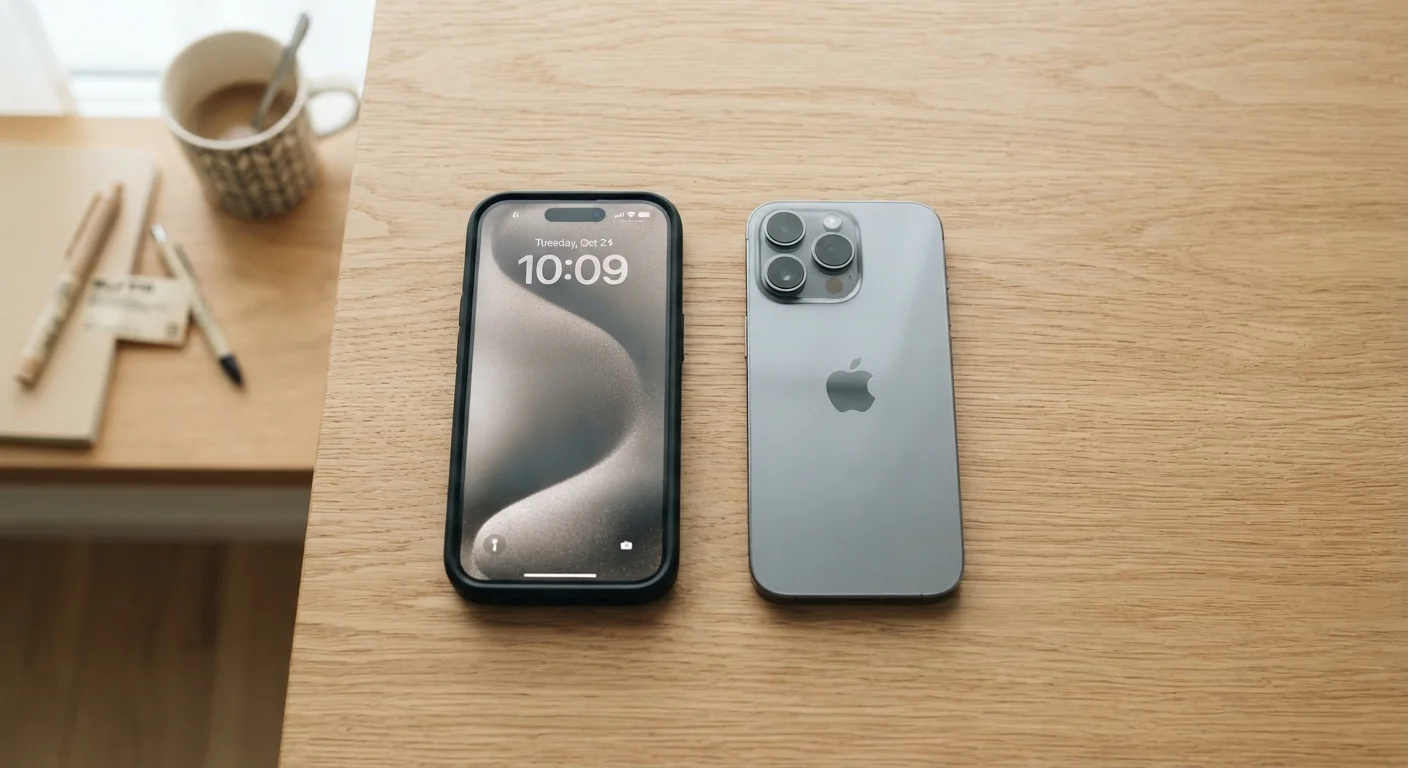
Removing the case reveals the phone as its designers intended - thinner, lighter, and often more attractive. For users who keep their phone in a bag rather than a pocket, or who work at a desk most of the day, the risk calculus genuinely changes.
Adds bulk and weight to the device
Even slim cases add a few millimeters and several grams, which changes the feel significantly on already-large phones.
Can trap heat during intensive use
Tight-fitting cases reduce airflow around the chassis, and sustained heat is associated with faster battery capacity degradation over the device's lifetime.
Obscures the phone's original design
Manufacturers invest heavily in materials and finishes; a case hides that entirely, which matters to users who value industrial design.
Adds ongoing cost and waste
Cases wear out, break, or become unfashionable, leading many users to buy multiple cases over a device's lifespan, contributing to plastic waste.
One underappreciated factor is heat. Smartphone processors generate warmth during demanding tasks like video recording, gaming, or navigation. Cases - especially thick, snug-fitting ones - can trap that heat against the device. Excess heat over time is associated with accelerated battery wear. Going caseless allows the chassis to radiate heat more freely. For more on how temperature affects your device, see how extreme temperatures affect your phone.
Many current flagship phones also carry IP67 or IP68 water resistance ratings and use hardened glass on their displays, meaning they arrive with more inherent resilience than earlier generations. This narrows - though doesn't eliminate - the protection gap.
The Middle-Ground Options
If you want some protection without committing to a full case, a few approaches are worth considering:
- Slim or clear cases add minimal bulk while still protecting corners and the back from scratches.
- Screen protectors address the most statistically common damage point - the display - without covering the rest of the phone. See our comparison of tempered glass vs. film screen protectors for a detailed breakdown.
- Skin wraps (thin adhesive vinyl sheets) protect against scratches and add grip without affecting heat dissipation much at all.
~50%
Drop incidents that damage phones
Industry repair data consistently suggests roughly half of accidental drops result in some form of visible damage, with screen cracks being the most common outcome.
IP68
Water resistance rating on many flagships
Many current premium smartphones carry an IP68 rating, indicating resistance to submersion in up to 1.5 meters of fresh water for 30 minutes under manufacturer test conditions.
These options allow you to address your biggest concern - whether that's screen damage, back scratches, or grip - without fully committing to either extreme.
How to Make the Right Call for Your Situation
Rather than a blanket recommendation, consider these practical questions:
- How often do you drop your phone? Be honest. If it slips from your hand regularly, a case is likely worth any trade-off.
- Where do you use your phone most? Outdoor, active, or high-movement environments favor protection. A controlled desk environment reduces risk.
- Do you run demanding apps frequently? Gaming, video editing, and GPS navigation produce heat. If thermal performance matters, a case adds a variable worth considering.
- What's your repair or replacement plan? If an out-of-warranty screen repair would be financially painful, the modest cost of a case becomes easy to justify.
Building good habits around your device matters regardless of case choice. Practical phone security habits are equally worth reviewing as part of a broader approach to device care.