

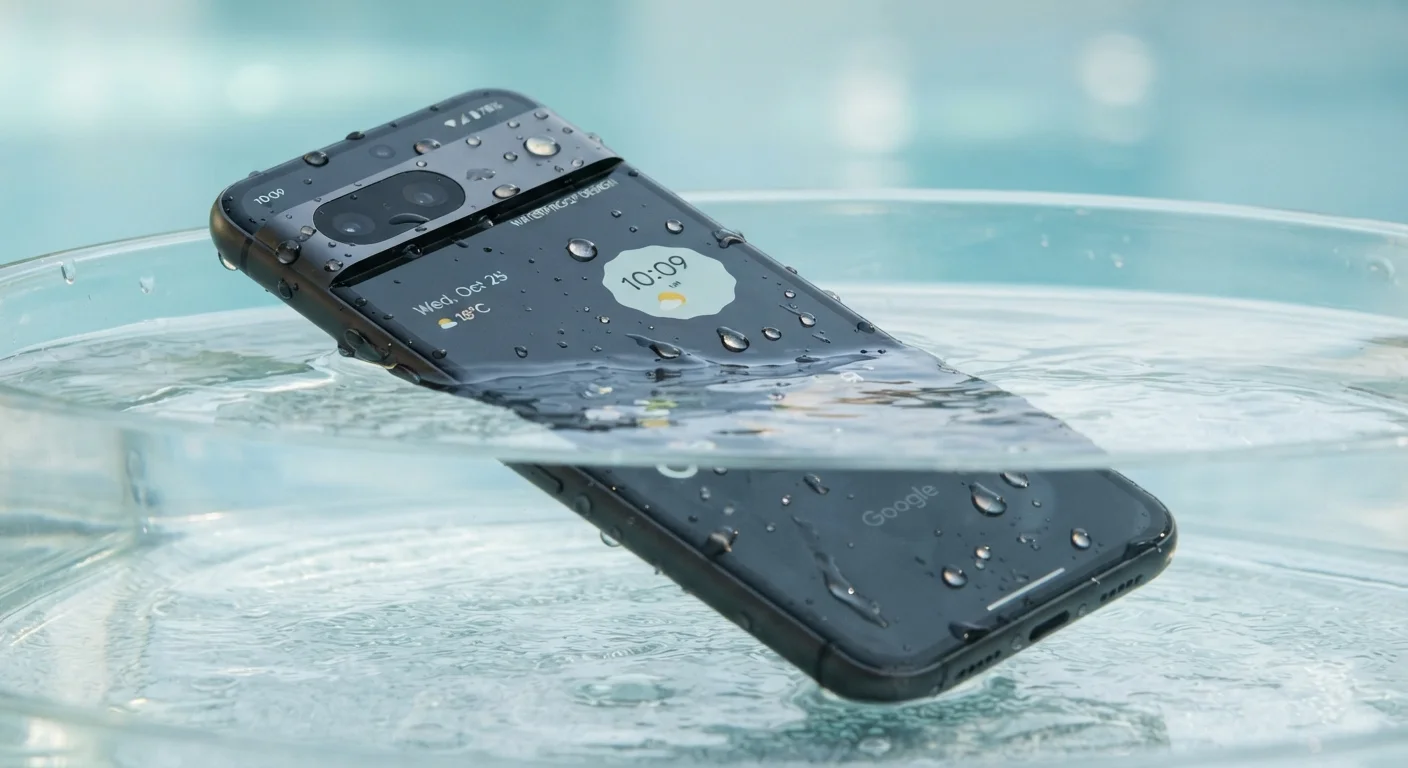
What IP Ratings Are - and What They Measure
If you've ever seen a spec sheet list "IP68" or "IPX4" and wondered what it actually means for your device in the real world, you're not alone. IP stands for Ingress Protection, a standardized rating system defined by the International Electrotechnical Commission (IEC) under standard IEC 60529. It describes how well a device resists two things: solid particles (like dust) and liquids.
Every IP rating follows the same format: two digits after the letters "IP." The first digit rates dust resistance on a scale of 0-6. The second rates water resistance on a scale of 0-9. An "X" in either position means that dimension was not tested - not that the device failed.
Understanding these numbers matters because the difference between IP67 and IP68, for example, isn't just a marketing step up - it reflects a meaningfully different depth and duration of submersion test.
Breaking Down the Water Resistance Numbers
The second digit is what most consumers care about most, because water is the more common real-world threat to devices. Here's what each level means in plain terms:
- IPX0: No protection against water at all.
- IPX1-IPX2: Protection against dripping or vertically falling water - think rain on a slightly tilted surface.
- IPX3-IPX4: Splash resistance from any direction. A rating of IPX4 means the device can handle splashing water well, making it suitable for sweaty workouts or light rain.
- IPX5-IPX6: Resistance to water jets. An IPX5-rated device can handle a low-pressure stream; IPX6 handles more powerful jets - but neither rating covers submersion.
- IPX7: Can be submerged up to 1 meter of fresh water for up to 30 minutes under controlled testing conditions.
- IPX8: Can withstand deeper submersion beyond 1 meter, with the exact depth specified by the manufacturer.
- IPX9K: Withstands high-temperature, high-pressure water jets - typically relevant for industrial equipment.
See our complete device longevity reference for how water resistance fits into broader long-term care.
What IP Ratings Don't Cover
This is where most consumers get into trouble. IP ratings are based on laboratory tests conducted under very specific conditions - typically using still, fresh water at a controlled temperature. They do not account for:
- Saltwater or chlorinated water: Pool water and seawater are more corrosive and can degrade seals faster than the fresh-water tests suggest.
- Moving water: A shower stream or wave exerts pressure different from a static submersion test.
- High-pressure scenarios: Unless the rating includes "9K," high-pressure jets are not covered - even by an IP68 device.
- Aging seals: The rubber and adhesive seals that create water resistance degrade over time, especially after drops or screen repairs. A two-year-old IP68 device may no longer perform to its original rating.
- Warranty coverage: Most manufacturers explicitly exclude water damage from warranties, even on devices with high IP ratings.
Warranty Limitations to Know
Even devices with IP68 ratings are typically not covered for water damage under manufacturer warranties. IP ratings reflect laboratory test performance, not a guarantee of real-world outcomes. If water damage is a genuine concern, consider whether your carrier or a third-party insurer offers coverage that explicitly includes liquid damage.
After any significant water exposure, it's worth cleaning ports carefully to prevent mineral buildup and corrosion.
What to Do If Your Device Gets Wet
Even with a high IP rating, taking the right steps after water exposure reduces risk of long-term damage:
- Power off immediately if the device was significantly submerged. Running electrical current through wet components accelerates corrosion.
- Don't charge it right away. Most modern devices detect moisture in the charging port and will warn you. Heed that warning - wait until the port is fully dry.
- Pat dry externally with a soft, lint-free cloth. Avoid inserting anything into ports.
- Allow passive drying in a well-ventilated area. Despite popular belief, placing a device in rice is not an effective drying method and can introduce dust particles into ports.
- Do not use heat - hair dryers or placing a device on a radiator can damage internal components and worsen seal integrity.
For advice on related environmental threats, see keeping your phone safe in extreme temperatures.
Ingress Protection (IP)
A standardized rating system defined by IEC 60529 that classifies the degree to which an enclosure protects electronic equipment from solid particles and liquids. The two digits after "IP" each represent a different protection category.
IP67
A rating indicating full dust protection (6) and resistance to submersion in up to 1 meter of fresh water for up to 30 minutes (7), under controlled laboratory conditions.
IP68
A rating indicating full dust protection (6) and resistance to continuous submersion beyond 1 meter (8), with the specific depth defined by the manufacturer for each device.
IPX4
A water-resistance rating where "X" indicates the dust dimension was not tested, and "4" means the device can withstand water splashing from any direction - suitable for sweat and light rain.
Seal Degradation
The gradual breakdown of the rubber gaskets and adhesive seals that create water resistance in a device. Physical impacts, heat exposure, and repair work can all accelerate this process over time.