

Key Takeaways
- A systematic inspection before purchase protects you from costly hidden problems.
- Always pull a vehicle history report before committing to any used car.
- Exterior panel gaps, rust, and mismatched paint can reveal undisclosed collision history.
- A qualified mechanic's pre-purchase inspection is one of the best investments you can make.
- Title status, odometer disclosure, and loan liens are paperwork details that can derail a purchase.
Summary
22 items · 45-90 minutes on-site
Why a Structured Inspection Matters
Buying a used car without a systematic inspection is one of the costliest mistakes a consumer can make. Unlike new vehicles, used cars arrive with an unknown history of accidents, deferred maintenance, and wear. A disciplined, room-by-room approach to checking the vehicle - combined with proper paperwork verification - gives you the information needed to negotiate fairly or walk away cleanly.
This checklist is designed for the on-site inspection you perform yourself before involving a mechanic. Once you've worked through it and the vehicle still looks promising, the logical next step is a professional pre-purchase inspection. Our guide on what a pre-purchase inspection actually covers explains exactly what trained mechanics examine and how to interpret their findings.
If you're still deciding between a new vehicle and a used one, it's worth reviewing the trade-offs between new and used cars before investing time in inspections.
Flashlight
Illuminates dark areas under the hood, beneath the vehicle, and inside the trunk where daylight doesn't reach.
Small Magnet
Detects plastic body filler beneath paint, which can indicate unreported collision repairs.
Vehicle History Report Service
Provides accident history, title status, odometer records, and service history for the specific VIN.
Tread Depth Gauge
Measures remaining tire tread precisely across the full width of each tire.
OBD-II Scanner
Reads stored diagnostic trouble codes from the vehicle's onboard computer, including codes that don't trigger a visible warning light.
The Inspection Checklist
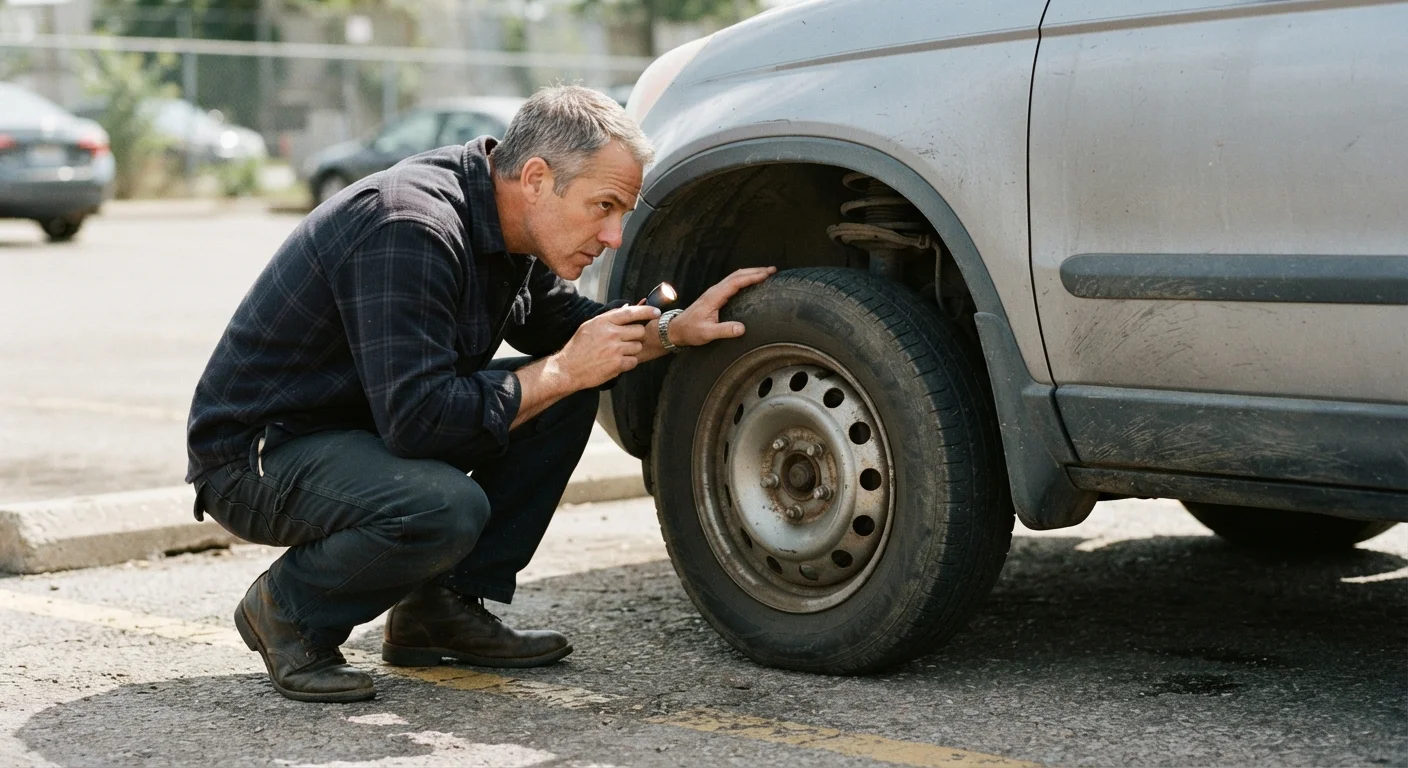
Work through these groups in order. Bring a flashlight, a magnet (to detect body filler beneath paint), and wear clothes you don't mind getting dirty - you'll be crouching, opening hoods, and checking underneath the vehicle. Inspect in daylight whenever possible; artificial lighting hides paint defects and panel inconsistencies.
Exterior Condition
Under the Hood
Interior and Electronics
Tires, Brakes, and Undercarriage
Test Drive Checks
Never Skip the Test Drive
A static inspection alone cannot reveal transmission hesitation, brake pulsing, or suspension noise that only appear under normal driving conditions. Always insist on a test drive that includes city speeds, highway speeds, and hard braking in a safe location. If a seller refuses a test drive, treat that as a significant red flag.
Paperwork and History Checks
No physical inspection is complete without verifying the paper trail. A vehicle can look immaculate while carrying a salvage title, an open recall, or an undisclosed lien - details invisible to the naked eye. Our detailed guide to understanding a vehicle history report walks through every section of the report and explains which flags warrant serious concern.
If the seller is offering a certified pre-owned vehicle, verify the exact coverage before assuming the inspection is comprehensive. CPO program guarantees vary widely by manufacturer and dealer, and not all offer the same protection.
Verify Title Status Before Any Payment
A salvage, rebuilt, or flood title permanently affects a vehicle's insurability, resale value, and safety - and may not be obvious from a physical inspection alone. Always run the VIN through a vehicle history report and confirm the title is clean with your state's motor vehicle authority before signing anything or handing over a deposit. An open lien means the previous owner's lender may still have a legal claim on the vehicle.
After you've completed your own assessment, consult our broader resource on the full car-buying process to make sure you're prepared for negotiation, financing, and finalizing the transaction.