

Key Takeaways
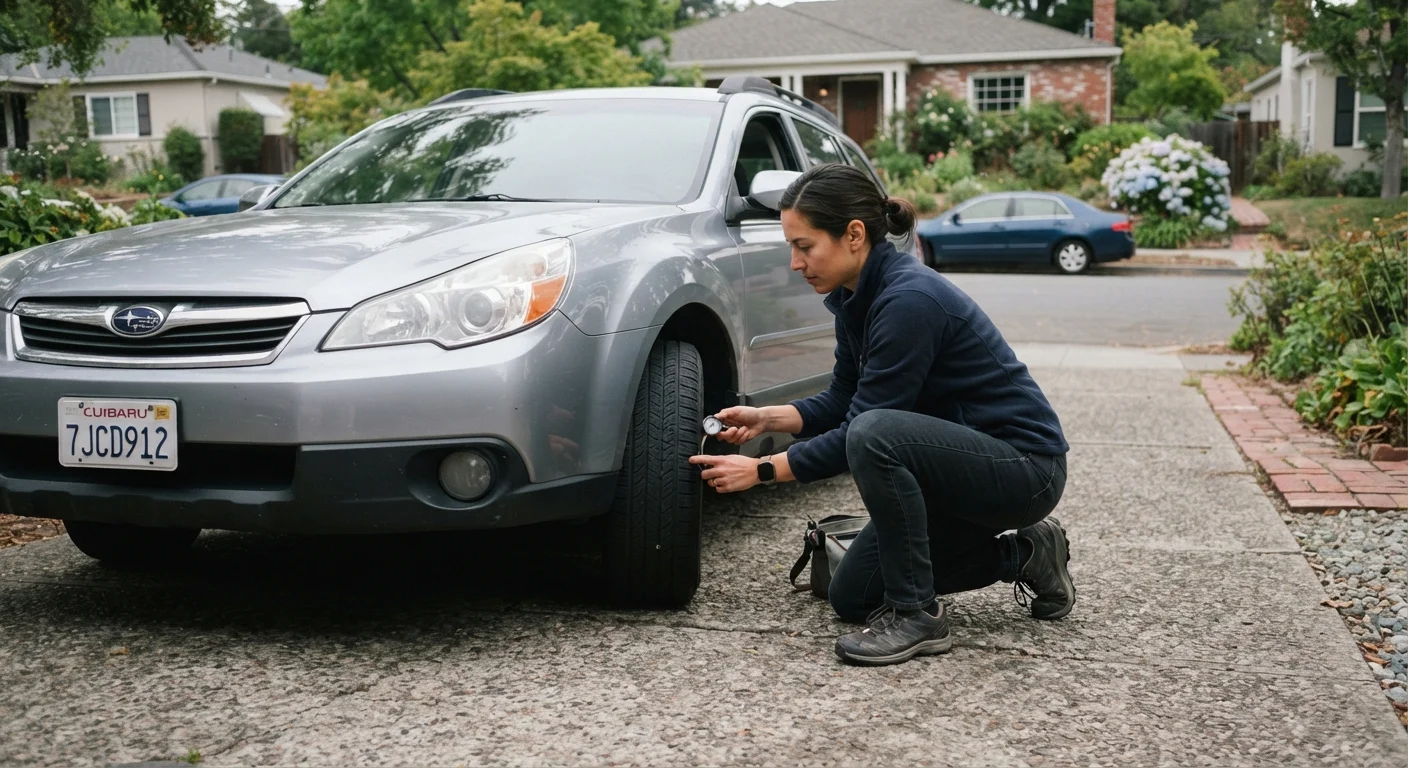
- Tire pressure, tread condition, and visible damage should be checked before every drive.
- All exterior lights - headlights, brake lights, and turn signals - need to function correctly for legal and safe operation.
- Mirrors must be properly adjusted for your seating position each time you enter the vehicle.
- Fluid levels, especially oil and coolant, should be verified at least weekly or before any long trip.
- Dashboard warning lights that appear at startup and do not clear are a signal to investigate before driving.
Summary
18 items · 3-10 minutes per trip
Why a Pre-Drive Check Is Worth the Habit
Most vehicle failures that strand drivers - or contribute to crashes - involve conditions that were detectable before the trip began. Underinflated tires, burned-out brake lights, and low fluid levels don't appear without warning; they build gradually and announce themselves through signs a short walk-around will reveal.
This checklist is designed to take under two minutes on ordinary days and up to ten when conditions call for more care - such as after a cold snap, before a long highway run, or following several days of disuse. It complements, but does not replace, routine scheduled fluid and maintenance checks or professional inspections.
If you're a newer driver still building foundational habits, the complete roadmap for new drivers covers the broader framework within which this daily habit sits.
Tires
Lights
Mirrors and Visibility
Under the Hood and Fluids
Tools and What You'll Need
No special equipment is required for most items on this checklist. A few inexpensive tools make the process faster and more accurate.
Tire pressure gauge
Measures PSI in each tire accurately so you can compare to the manufacturer's recommended specification.
Small flashlight or phone torch
Illuminates undercarriage, wheel wells, and engine bay in low-light conditions for a thorough visual check.
Penny or tread-depth gauge
Provides a quick read on remaining tire tread to identify tires approaching or past safe limits.
Clean rag or paper towel
Needed to wipe the oil dipstick for an accurate reading and to check fluid color.
Keep your tire gauge in the glove box and a small flashlight in the door pocket so neither item requires a separate trip to find. Consistency in where you store these tools removes friction and makes the habit stick.
Don't Check Coolant on a Hot Engine
Opening the coolant reservoir or radiator cap while the engine is hot can cause scalding fluid to eject under pressure. Always wait until the engine has cooled - typically 30 minutes or more after shutting off - before inspecting coolant levels. If you see steam rising from under the hood, do not open anything and allow the vehicle to cool completely.
Reading Your Dashboard Before You Shift Into Gear
Modern vehicles run a self-diagnostic cycle at startup, briefly illuminating many warning icons before clearing them. Any light that remains lit after the engine has been running for 30 seconds warrants attention before you drive. Common examples include the tire-pressure monitoring system (TPMS) light, the oil pressure warning, and the battery indicator.
For a plain-language explanation of what each symbol means and which ones demand immediate action, see our guide to dashboard warning lights and what they're telling you.
A Lit Warning Light Is Not Optional
If a warning light remains illuminated after startup - particularly the oil pressure, brake system, or engine warning indicators - do not dismiss it as a sensor glitch and drive anyway. These lights signal conditions that can lead to engine damage, brake failure, or loss of control. Have the vehicle inspected by a qualified mechanic before operating it if you are uncertain what triggered the alert.
Mirrors deserve particular attention before every drive - especially if someone else has used the vehicle. Your mirrors should be set for your seating position, not a prior driver's. For a deeper look at where mirrors consistently fall short, read our article on blind spot awareness and what your mirrors actually miss.
Adverse weather adds urgency to every item on this list. When rain, snow, or fog is forecast, revisit the guidance on adjusting for challenging weather conditions before you head out.