

Key Takeaways
- Reptiles require specialized equipment including UVB lighting, precise heating, and humidity control.
- Many reptile species are long-lived, meaning ownership is often a decade-plus commitment.
- Reptile-savvy veterinarians can be harder to find and more expensive to visit than general pet vets.
- Some species are calm and handleable; others remain defensive and are better suited to observation.
- Upfront setup costs are significant - proper husbandry prevents costly health problems later.
Hypoallergenic compared to furry pets
Reptiles don't produce the dander or fur proteins that trigger allergies in many people, making them a viable companion option for allergy-prone households.
Quiet and low-disruption household presence
Unlike dogs or some bird species, reptiles produce little to no noise, making them well-suited to apartments or shared living spaces with noise restrictions.
No daily walks or outdoor exercise required
Reptiles live comfortably within a well-designed enclosure, which simplifies daily care routines and suits owners with limited outdoor access or mobility.
Intellectually engaging husbandry
Managing temperature gradients, humidity, lighting cycles, and diet variety appeals to owners who enjoy learning and problem-solving as part of pet care.
Long lifespan offers extended companionship
Many species live 10-20 years or longer in captivity, allowing owners to develop a deep familiarity with their animal's individual personality and behavior.
High upfront equipment and setup costs
A proper enclosure with heating elements, UVB lighting, thermostat controls, and appropriate substrate can cost several hundred dollars before the animal is even purchased.
Specialized veterinary care is hard to access
Not all vets treat reptiles - finding a qualified exotic animal veterinarian may require travel, and appointments often cost more than routine dog or cat visits.
Temperature and humidity must be monitored daily
Reptiles are ectothermic (cold-blooded), meaning they rely entirely on their environment to regulate body temperature; equipment failures can become health emergencies quickly.
Many species remain defensive and stress-prone
Unlike dogs, some reptiles never become comfortable with frequent handling; forcing interaction can cause chronic stress and suppress immune function.
Live or frozen prey feeding can be off-putting
Carnivorous species like ball pythons typically require appropriately sized rodents - usually frozen and thawed - which some owners find difficult to manage consistently.
Long lifespan is also a long commitment
A tortoise or large python may outlive typical life plans including college moves, job relocations, or changing housing situations, requiring advance planning for rehoming if needed.
Our Verdict
Reptiles are genuinely rewarding pets for patient, research-driven owners who are prepared for the technical side of their care. The combination of fascinating behavior, low allergen risk, and minimal noise makes them attractive for many households - but the specialized equipment, long lifespans, and limited veterinary access raise the bar of responsibility considerably.
Best for adults or older teens who enjoy learning animal behavior and husbandry science, have room for a proper enclosure setup, and have identified a reptile-experienced veterinarian nearby before bringing an animal home.
Why People Are Drawn to Reptile Keeping
Reptiles occupy a unique space in the pet world. They don't bark, don't shed fur, and won't curl up on the couch - yet millions of households in the US keep them as companions. Bearded dragons, leopard geckos, ball pythons, and blue-tongued skinks have developed loyal followings, and for good reason: these animals are genuinely fascinating to observe and care for.
What draws most people in is the combination of novelty and accessibility. Many popular species are manageable in size, don't require outdoor exercise, and can be housed in a single well-designed enclosure. For people with pet allergies, reptiles offer a real alternative. And for those who find deep satisfaction in creating naturalistic habitats and mastering husbandry, reptile keeping can become a rewarding long-term hobby.
That said, reptiles are frequently misunderstood as low-effort pets. The reality is more nuanced - and worth exploring honestly before you commit.
The Real Advantages of Keeping Reptiles
Understanding what reptiles genuinely offer helps set appropriate expectations from the start.
Hypoallergenic compared to furry pets
Reptiles don't produce the dander or fur proteins that trigger allergies in many people, making them a viable companion option for allergy-prone households.
Quiet and low-disruption household presence
Unlike dogs or some bird species, reptiles produce little to no noise, making them well-suited to apartments or shared living spaces with noise restrictions.
No daily walks or outdoor exercise required
Reptiles live comfortably within a well-designed enclosure, which simplifies daily care routines and suits owners with limited outdoor access or mobility.
Intellectually engaging husbandry
Managing temperature gradients, humidity, lighting cycles, and diet variety appeals to owners who enjoy learning and problem-solving as part of pet care.
Long lifespan offers extended companionship
Many species live 10-20 years or longer in captivity, allowing owners to develop a deep familiarity with their animal's individual personality and behavior.
4.5M+
US households keeping reptiles
According to the American Pet Products Association's National Pet Owners Survey, millions of US households include at least one reptile.
10-20 years
Typical lifespan of popular species
Bearded dragons commonly live 10-15 years in captivity; ball pythons can exceed 20 years with proper care, per herpetological husbandry guidelines.
For prospective owners who enjoy learning and are willing to invest in proper setup, these advantages are meaningful. If you're also considering other non-traditional pets, it's worth comparing: pet bird care involves its own distinct social and noise demands, while freshwater aquarium keeping is another hands-on option with different challenges.
The Challenges You Should Anticipate
Reptile ownership comes with real complexity. Understanding the downsides upfront protects both you and the animal.
High upfront equipment and setup costs
A proper enclosure with heating elements, UVB lighting, thermostat controls, and appropriate substrate can cost several hundred dollars before the animal is even purchased.
Specialized veterinary care is hard to access
Not all vets treat reptiles - finding a qualified exotic animal veterinarian may require travel, and appointments often cost more than routine dog or cat visits.
Temperature and humidity must be monitored daily
Reptiles are ectothermic (cold-blooded), meaning they rely entirely on their environment to regulate body temperature; equipment failures can become health emergencies quickly.
Many species remain defensive and stress-prone
Unlike dogs, some reptiles never become comfortable with frequent handling; forcing interaction can cause chronic stress and suppress immune function.
Live or frozen prey feeding can be off-putting
Carnivorous species like ball pythons typically require appropriately sized rodents - usually frozen and thawed - which some owners find difficult to manage consistently.
Long lifespan is also a long commitment
A tortoise or large python may outlive typical life plans including college moves, job relocations, or changing housing situations, requiring advance planning for rehoming if needed.
Salmonella Risk: A Real but Manageable Concern
Reptiles can naturally carry Salmonella bacteria without showing signs of illness, and transmission to humans through handling is documented. The CDC advises thorough handwashing after handling any reptile or cleaning its enclosure, and recommends that households with children under 5, pregnant individuals, or immunocompromised people carefully weigh this risk. This doesn't make reptiles dangerous pets - but it does require consistent hygiene practices.
UVB lighting is one of the most commonly overlooked requirements. Many reptiles cannot metabolize calcium without it, leading to metabolic bone disease - a painful and preventable condition. Our guide on UVB lighting for reptiles explains exactly how this works and what to look for in a setup.
Before acquiring any reptile, work through a preparation checklist. Our reptile preparation checklist covers enclosure, heating, humidity, substrate, and vet access - everything that needs to be in place before the animal arrives, not after.
Choosing the Right Species for Your Situation
Not all reptiles are equivalent in difficulty or temperament. Beginners are generally better served by species with established care guides, stable captive-bred populations, and moderate environmental requirements.
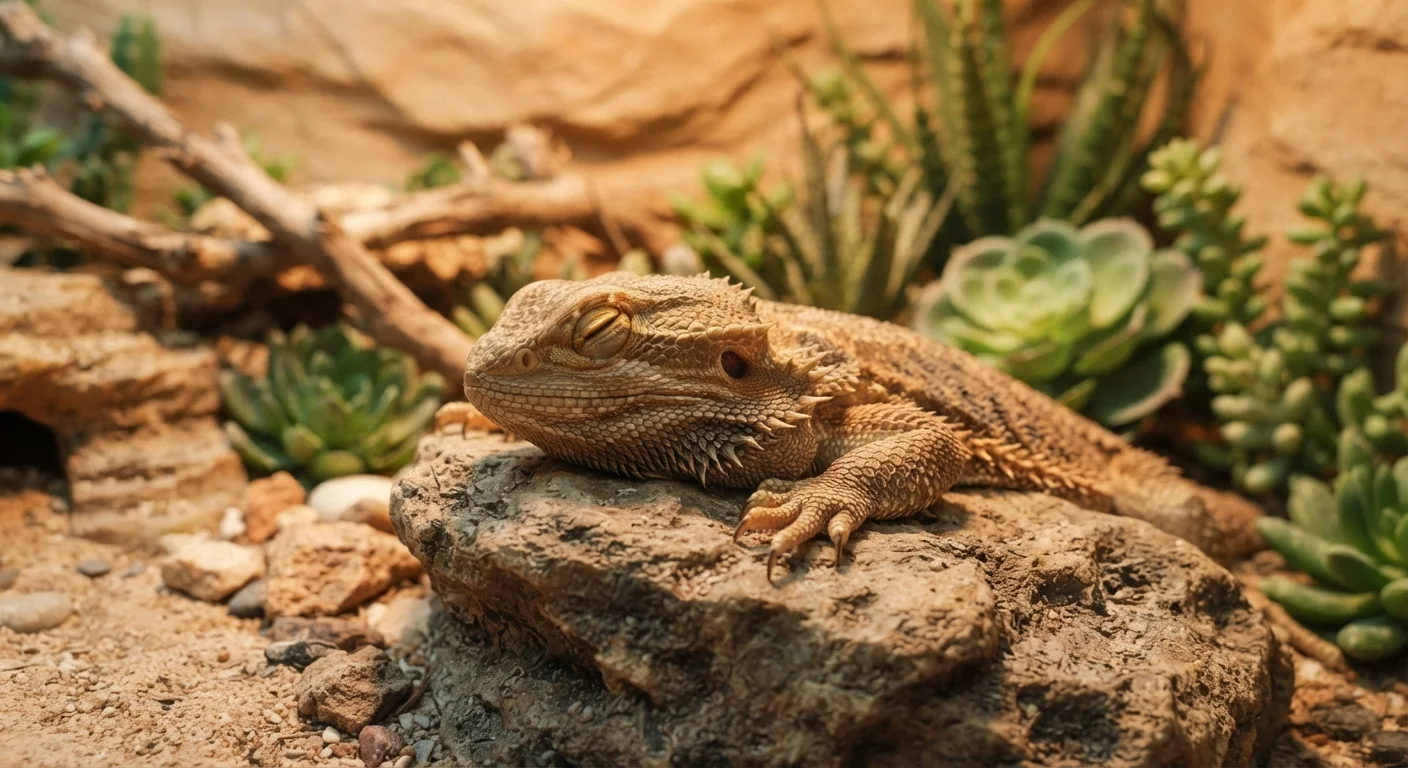
Bearded dragons are often recommended for first-time reptile owners due to their diurnal (daytime-active) habits and generally tolerant nature toward handling. Leopard geckos are smaller and require less intense UVB exposure, making enclosure management more straightforward. Ball pythons are popular among snake keepers for their docile temperament, though they can be finicky eaters.
If you're drawn to bearded dragons specifically, our species-specific guide on bearded dragon care walks through lighting, temperature gradients, diet, and handling across every life stage.
Avoid impulse decisions based on appearance alone. Research the adult size, lifespan, diet, and specific environmental needs of any species you're considering - then evaluate whether your home, budget, and schedule can realistically support those needs for the animal's full life.
This article is for general informational purposes only and is not a substitute for guidance from a qualified exotic animal veterinarian. Always consult a reptile-experienced vet for health concerns related to your specific animal.